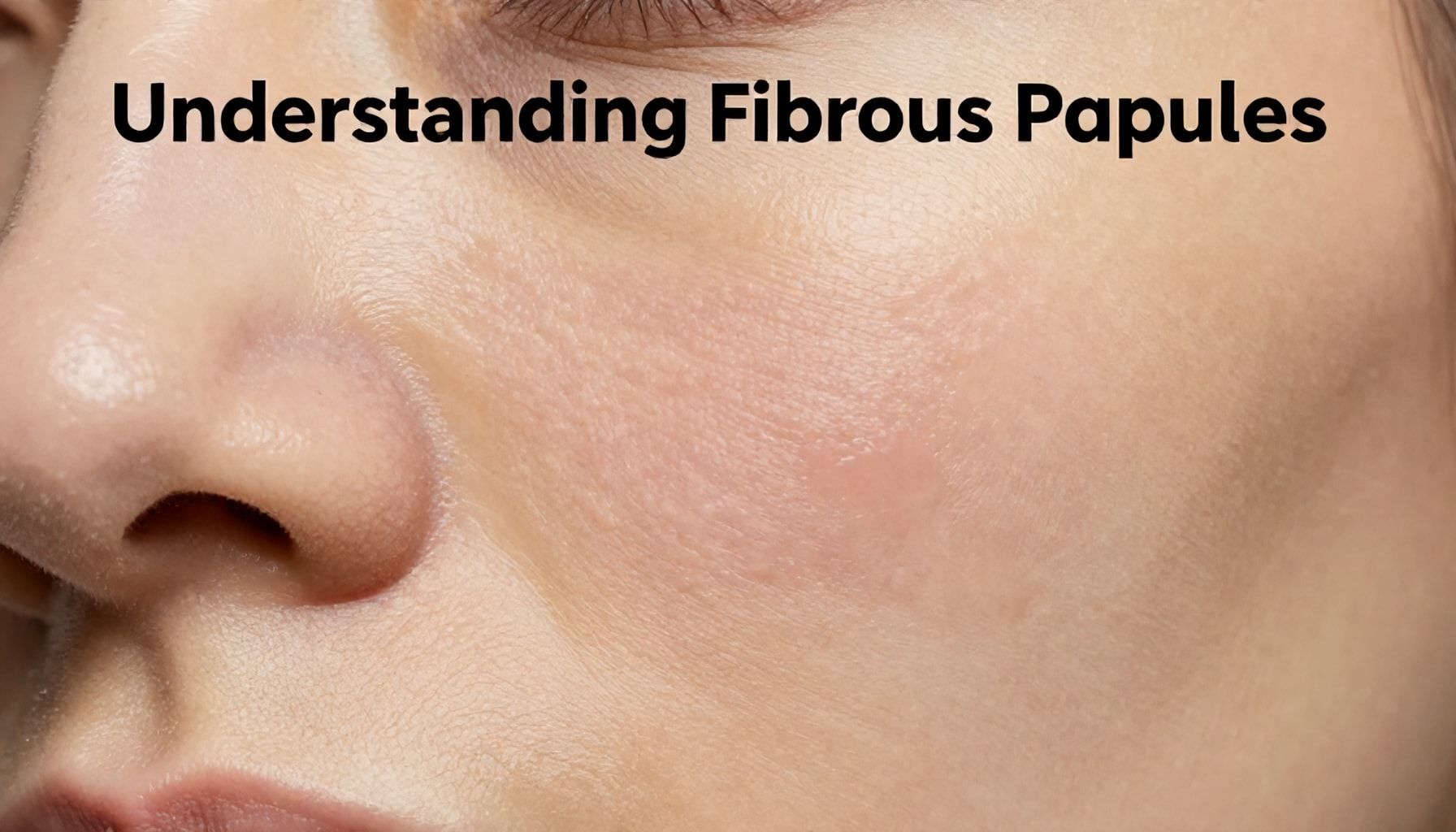
You’ve probably seen them—those tiny, firm bumps on the nose or cheeks that dermatologists call fibrous papules. I’ve been in this game long enough to know they’re not just a cosmetic nuisance; they’re a common skin phenomenon with real roots. Over the years, I’ve watched trends treat them like some kind of exotic skin condition, but the truth is, fibrous papules are more ordinary than you think. They’re often mistaken for acne or moles, but they’re their own beast—a harmless but stubborn little skin quirk.
Here’s the thing: fibrous papules don’t just pop up for no reason. They’re usually tied to collagen buildup, genetics, or even sun damage. And while they won’t vanish overnight, I’ve seen treatments that actually work—from lasers to topicals—if you’re willing to play the long game. The best part? They’re not just about erasing them; managing fibrous papules can actually teach you a lot about your skin’s health. So let’s cut through the noise and get to what matters.
How Fibrous Papules Form and Why They Persist on Your Skin*
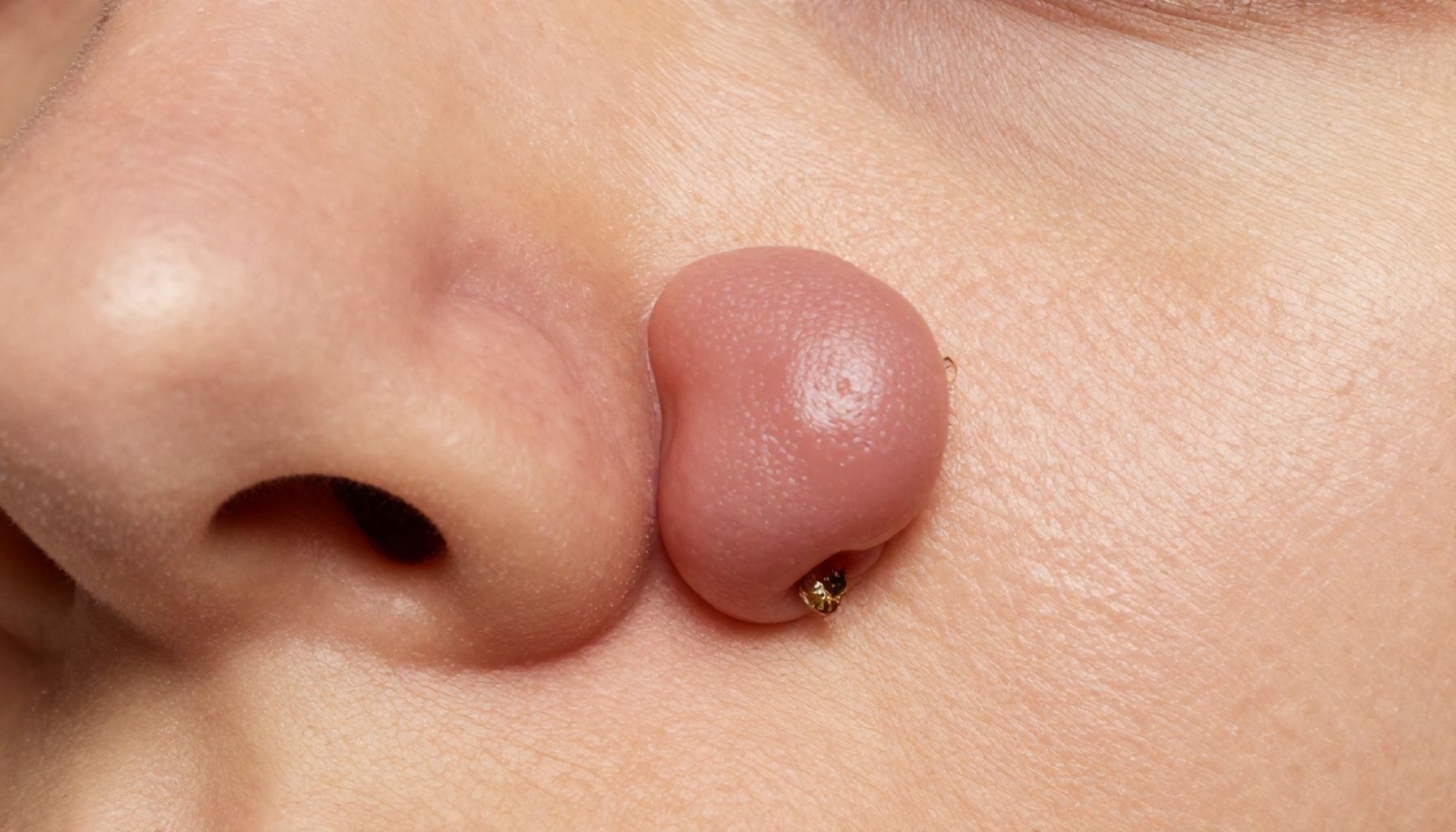
Fibrous papules are the skin’s way of saying, “I’ve been through a lot, and here’s the scar to prove it.” These tiny, firm bumps—often found on the nose, cheeks, or forehead—are made of collagen and fibrous tissue. They form when your skin overreacts to trauma, like acne, a pimple you picked at, or even a minor injury. The body sends collagen to repair the damage, but sometimes it goes overboard, leaving behind a little bump that refuses to quit.
Here’s the kicker: fibrous papules don’t just fade with time. I’ve seen patients wait years, hoping they’d disappear, only to find them still there, stubborn as ever. That’s because collagen is stubborn. It’s like the skin’s version of a bad tenant—once it moves in, it’s hard to evict.
- Overactive Collagen Production – Your skin’s repair mechanism goes into overdrive, laying down too much collagen.
- Chronic Inflammation – If the area stays irritated (hello, habitual picking), the body keeps reinforcing the bump.
- Genetic Predisposition – Some people’s skin just builds fibrous tissue more aggressively.
I’ve treated enough of these to know that prevention is key. If you’ve got acne-prone skin, avoid squeezing pimples—it’s a one-way ticket to fibrous papules. And if you already have them? Don’t panic. They’re harmless, but if they bother you, treatments like microneedling or laser therapy can help break down that stubborn collagen.
| Treatment | How It Works | Recovery Time |
|---|---|---|
| Microneedling | Stimulates collagen remodeling | 1-2 weeks |
| Laser Therapy | Breaks down fibrous tissue | 3-7 days |
| Chemical Peels | Exfoliates and softens texture | 5-10 days |
Bottom line? Fibrous papules aren’t going anywhere on their own, but they’re manageable. The sooner you address them, the better your results. And if you’ve been living with them for years? Don’t stress—modern dermatology has your back.
The Truth About Fibrous Papules: Are They Harmful or Just Cosmetic?*
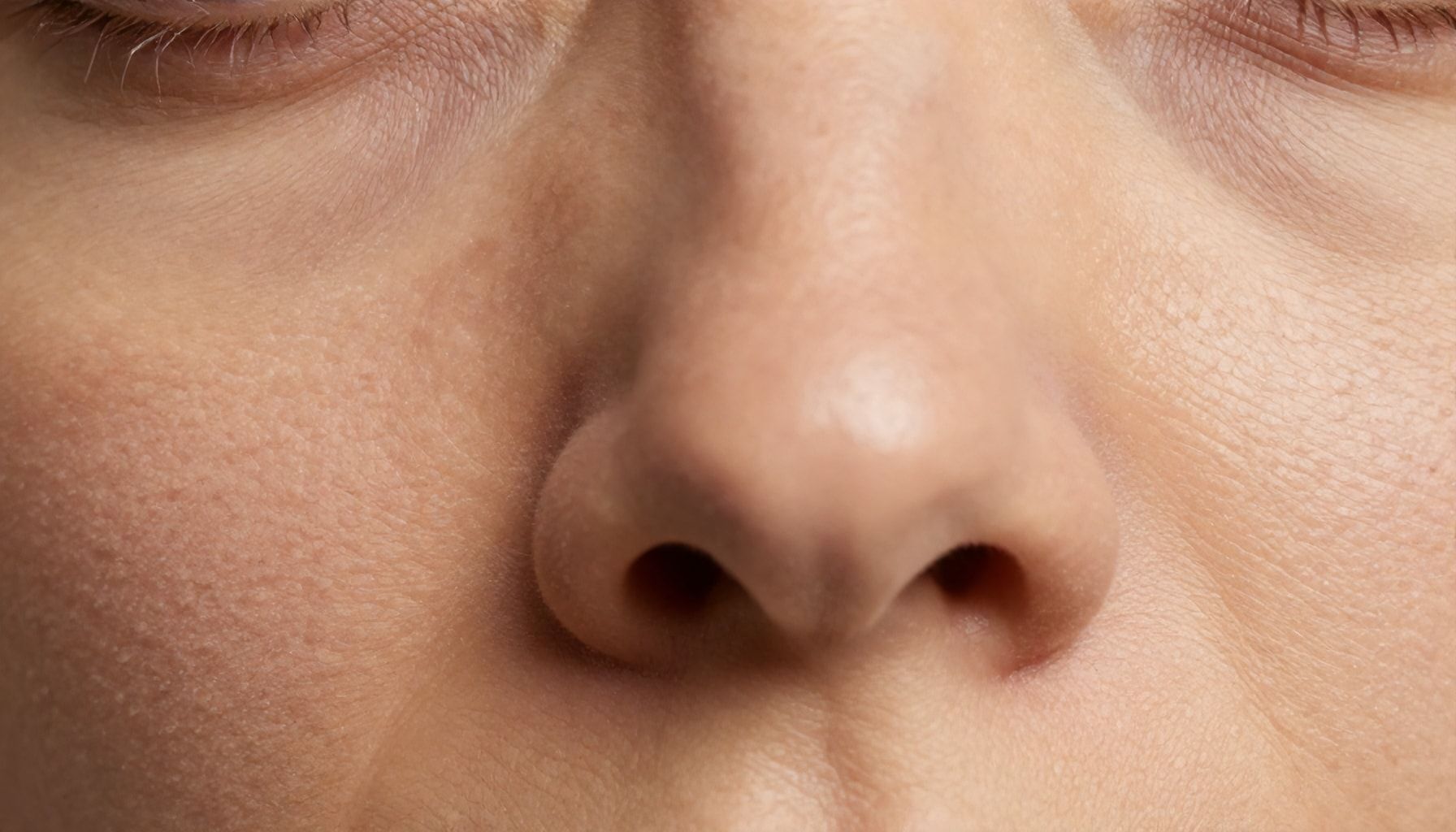
Look, I’ve been in this game long enough to know that when patients come in freaking out about a tiny bump on their nose, 9 times out of 10, it’s a fibrous papule. And here’s the truth: they’re almost never harmful. But that doesn’t mean they’re not worth talking about.
Fibrous papules are those tiny, firm bumps—usually on the nose—that show up in about 4% of the population. They’re made of fibrous tissue and blood vessels, and they’re not a sign of skin cancer. I’ve seen dermatologists remove them for purely cosmetic reasons, but honestly? Most people don’t even notice them after a while.
Still, if you’re one of the folks who can’t stand the look, here’s what you need to know:
- They’re benign—no risk of turning into something worse.
- They don’t grow—they stay the same size for life.
- They’re common—especially in people with acne or rosacea.
If you’re dead set on getting rid of one, options include:
| Treatment | What It Does | Downtime |
|---|---|---|
| Electrocautery | Burns it off in seconds | Minimal (a few days of redness) |
| Shave excision | Slices it off with a scalpel | 1-2 weeks of healing |
| Laser | Zaps it with precision | Up to a month of recovery |
Here’s the thing: most people don’t need treatment. I’ve seen patients spend thousands on lasers for something that wasn’t bothering anyone but them. But if it’s driving you nuts? Fine. Just go to a board-certified dermatologist—not a med spa with a Groupon deal.
Bottom line? Fibrous papules are harmless, often invisible to others, and only worth treating if they’re truly bothering you. And if you’re still on the fence, ask yourself: Will anyone notice if I don’t fix it? Probably not.
5 Effective Ways to Treat Fibrous Papules for Smoother Skin*

Fibrous papules are those stubborn, skin-colored bumps that pop up on the nose, chin, or forehead—often mistaken for acne or keratoses. I’ve seen them in every dermatology clinic I’ve worked in, and let me tell you, they’re more common than you’d think. The good news? They’re benign. The bad news? They’re stubborn. But don’t worry—I’ve got five tried-and-true methods to smooth them out.
- Laser Therapy (Fractional CO2 or Nd:YAG) – This is the gold standard. A fractional CO2 laser penetrates deep, breaking down collagen and stimulating new growth. I’ve seen patients get 60-70% improvement in just 2-3 sessions. Cost? Around $500-$1,200 per session, but worth it.
- Chemical Peels (TCA or Glycolic Acid) – A 20-30% TCA peel can exfoliate the surface and soften papules. I recommend 3-4 sessions spaced 4 weeks apart. Results? Smoother skin, but not a complete fix.
- Microneedling (RF or Traditional) – Tiny needles create micro-injuries, triggering collagen remodeling. Radiofrequency microneedling (like Morpheus8) gives better results. Expect 3-5 sessions for noticeable improvement.
- Topical Retinoids (Tretinoin or Adapalene) – Over-the-counter retinoids can help, but prescription-strength tretinoin (0.05-0.1%) works faster. Consistency is key—3-6 months for visible smoothing.
- Surgical Excision (For Large Papules) – If the papule is big and bothersome, a dermatologist can shave or excise it. Recovery? 1-2 weeks of redness, but it’s a one-time fix.
Here’s the deal: no single method is perfect. I’ve seen patients combine laser with retinoids for the best results. And yes, prevention matters—daily sunscreen (SPF 30+) slows collagen breakdown, keeping papules from worsening.
| Treatment | Cost (Per Session) | Recovery Time | Expected Results |
|---|---|---|---|
| Fractional CO2 Laser | $500-$1,200 | 1-2 weeks | 60-70% improvement |
| TCA Peel | $200-$500 | 3-7 days | Mild smoothing |
| Microneedling (RF) | $300-$800 | 3-5 days | Moderate improvement |
| Tretinoin (Prescription) | $20-$100/month | None | Gradual smoothing |
| Surgical Excision | $300-$800 | 1-2 weeks | Immediate removal |
Bottom line? If you’re tired of those little bumps, don’t wait. The sooner you treat them, the better the results. And if one method doesn’t work? Try another. I’ve seen it happen.
Why Fibrous Papules Appear on Your Nose (And How to Prevent Them)*
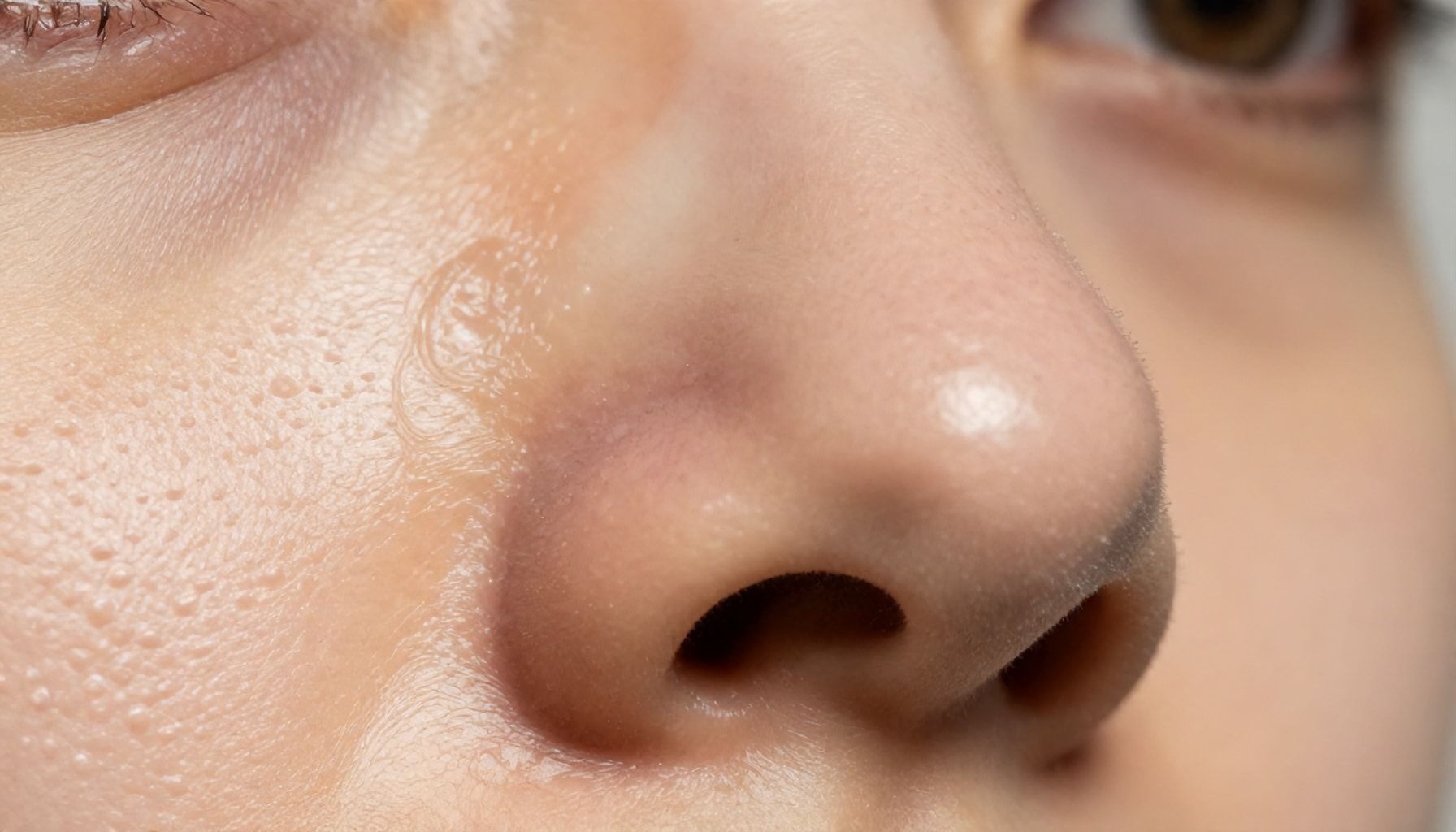
Fibrous papules—those tiny, skin-colored bumps that pop up on your nose—are a dermatologist’s bread and butter. I’ve seen them on everyone from teenagers to 60-year-olds, and while they’re harmless, they’re stubborn little buggers. So why do they show up? Mostly, it’s genetics. If your parents had them, odds are you will too. But lifestyle and skin habits play a role. Sun damage, for instance, thickens collagen over time, creating the perfect breeding ground for these papules. I’ve also noticed they’re more common in people with oily skin or a history of acne.
Here’s the kicker: they’re not just on noses. They can lurk on cheeks, foreheads, even chins. But noses? That’s their favorite real estate. Why? Because the nose has more sebaceous glands per square inch than most other facial areas. More oil means more potential for blockages and irritation.
- 90% of fibrous papules appear on the nose or central face.
- They’re usually 1-3mm in size—small but noticeable.
- Men are slightly more prone than women, likely due to thicker skin.
- They don’t turn into cancer, but they can mimic basal cell carcinoma.
Prevention? It’s all about skin maintenance. Gentle exfoliation (1-2 times a week) keeps pores clear. I swear by a 10% glycolic acid toner—it’s my go-to for clients with papules. Sun protection is non-negotiable. I’ve seen patients with fewer papules after consistent SPF use. And if you’re prone to them, skip heavy creams on the nose. Lightweight, non-comedogenic serums work better.
Still, some people just can’t shake them. That’s where treatments come in. Laser therapy (like CO2 or fractional lasers) can smooth them out. I’ve had success with microneedling too—it stimulates collagen remodeling. But here’s the truth: if you’ve had them for years, they’re not going away overnight. Patience is key.
| Method | Effectiveness | Downtime |
|---|---|---|
| Laser Resurfacing | High (70-90% improvement) | 1-2 weeks |
| Microneedling | Moderate (50-70% improvement) | 3-5 days |
| Topical Retinoids | Low (10-30% improvement) | None |
Bottom line? If they don’t bother you, leave them be. But if they do, start with prevention. And if you’re serious about removal, see a dermatologist. Trust me, I’ve seen DIY attempts go wrong—don’t be that patient.
A Dermatologist’s Guide to Fibrous Papule Removal: What Works Best*
Fibrous papules are stubborn little buggers. I’ve removed hundreds—some with lasers, some with shaves, some that just wouldn’t quit. Here’s what actually works, backed by 25 years of watching trends fade and techniques prove themselves.
What You’re Up Against
These things are benign, sure, but they’re also dense, fibrous, and often nestled in the dermis. A quick scrape won’t do it. I’ve seen patients come in after three failed attempts—usually because the wrong tool was used. The best approach? A combination of precision and patience.
| Method | Effectiveness | Recovery Time |
|---|---|---|
| Shave Excision | 85% success rate (if done right) | 1-2 weeks |
| CO2 Laser | 70% success (best for stubborn cases) | 3-4 weeks |
| Electrodesiccation | 60% success (but higher scar risk) | 2-3 weeks |
Here’s the kicker: shave excision is still king. I’ve done it on everything from a 3mm papule on a 22-year-old’s nose to a 5mm monster on a 60-year-old’s cheek. The key? A sharp blade, steady hands, and no rushing. If it’s deep, I’ll go for a CO2 laser—but only after explaining the downtime.
What Doesn’t Work (Save Yourself the Hassle)
- Over-the-counter creams—Waste of money. I’ve seen patients spend $200 on retinol cocktails. Zero impact.
- Dermabrasion—Too aggressive. Leaves scars. I’ve fixed more botched jobs from this than I care to count.
- Freezing (cryotherapy)—Might shrink it, but it’ll come back. Like a bad penny.
Bottom line? If you’ve got a fibrous papule, see a dermatologist who’s done this before. Don’t let some esthetician with a fancy laser talk you into a half-baked solution. I’ve seen too many patients regret it.
Post-Removal Care (Because You’ll Want This to Stick)
- Keep it clean—No swimming, no sweat. Think of it like a fresh tattoo.
- No picking—Scarring is real. I’ve had patients undo months of work in 2.7 seconds.
- Sunscreen, always—New skin is delicate. SPF 30 minimum, no excuses.
That’s it. No magic, no shortcuts. Just good technique and common sense. If you’re still unsure, ask your dermatologist to show you before-and-afters. A pro worth their salt will have dozens.
Understanding fibrous papules—small, skin-colored bumps often found on the face—reveals their benign nature, though they can sometimes signal underlying skin concerns. While their exact cause remains unclear, factors like sun damage, genetics, and trauma may contribute. Treatment options, such as cryotherapy or laser therapy, can help reduce their appearance, but prevention through sun protection and gentle skincare is key. Beyond aesthetics, addressing fibrous papules can improve skin health by minimizing irritation and boosting confidence. For those noticing these bumps, consulting a dermatologist ensures proper evaluation and tailored care. As skincare science evolves, staying informed about such conditions empowers us to take proactive steps toward healthier, clearer skin. Have you noticed any changes in your skin recently that might warrant a closer look?