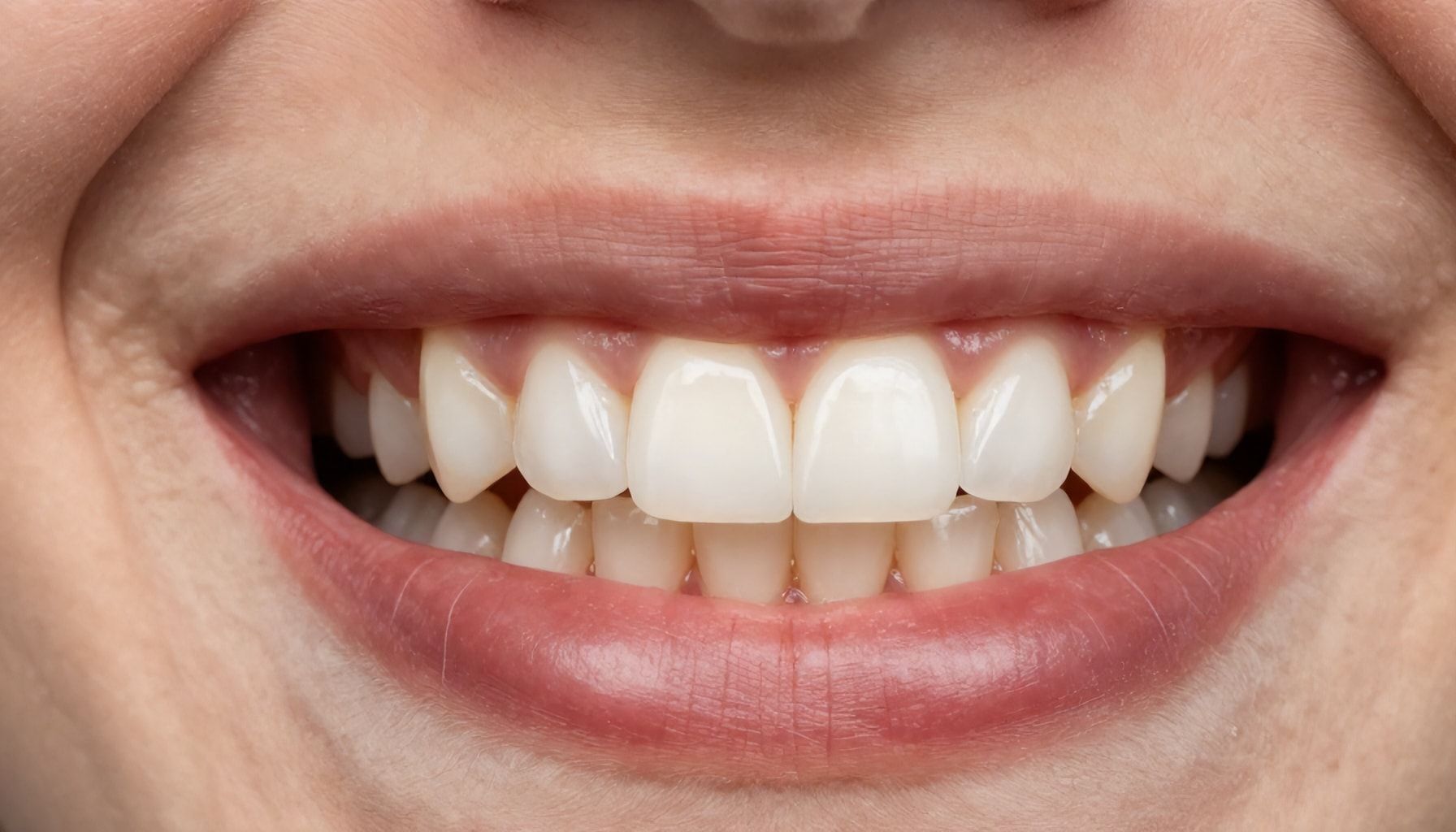
I’ve seen a lot of dental trends over the years—some fizzle out, some stick around, and a few become the quiet heroes of modern dentistry. Cosmetic dental bonding? That’s one of the latter. It’s not the flashiest procedure, but it’s the kind of workhorse fix that’s saved more smiles than you’d believe. Think of it as the dental equivalent of a quick, clever edit: minimal fuss, maximum impact. No one’s writing love letters to bonding, but I’ve watched it turn chipped teeth, stubborn stains, and awkward gaps into something polished and confident. The best part? It’s one of the most affordable ways to upgrade your smile without the time or cost of veneers or crowns. Sure, it won’t last forever, but done right, it’ll buy you years of looking like you’ve got a naturally flawless grin. And in a world where first impressions matter, that’s no small thing. Here’s the straight talk on what bonding can—and can’t—do for you.
How Cosmetic Bonding Can Fix Chips, Gaps, and Discoloration in One Visit*
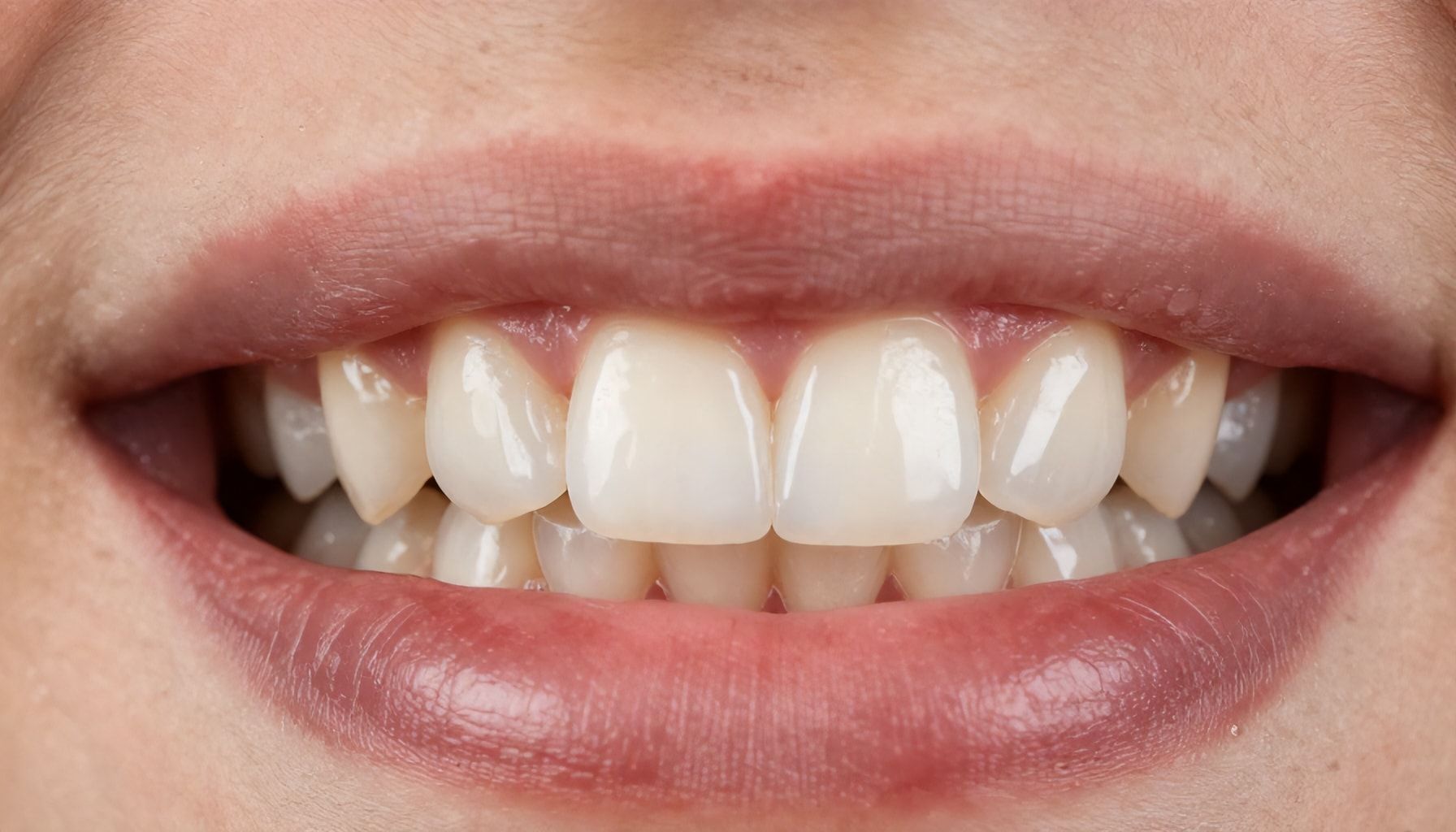
I’ve fixed more chipped teeth, closed gaps, and erased discoloration with cosmetic bonding than I can count. It’s one of the quickest, most affordable ways to transform a smile—and it happens in a single visit. No waiting. No temp crowns. Just immediate results.
Here’s how it works: A tooth-colored resin is applied to the tooth, sculpted to perfection, and hardened with a special light. The whole process takes about 30 to 60 minutes per tooth. No anesthesia needed for minor fixes. I’ve seen patients walk in with a front tooth that looks like it took a punch to the face and walk out with a flawless smile.
- Chips & Cracks: Small fractures or worn edges get filled and blended seamlessly.
- Gaps (Diastemas):** Tiny spaces between teeth disappear with strategic resin placement.
- Discoloration: Stubborn stains (like from tetracycline) get covered with a natural-looking shade.
- Short Teeth: Lengthened instantly by adding resin to the edges.
Now, let’s talk longevity. Bonding lasts 3-10 years, depending on care. I’ve had patients whose bonding lasted a decade—others chipped it within a year. The key? Avoid biting into ice, hard candy, or using your teeth as tools. And yes, it stains like natural teeth, so cut back on coffee and red wine if you want it to stay bright.
| Issue | Bonding Solution | Cost Range |
|---|---|---|
| Minor chip | Resin fill and shape | $100–$300 per tooth |
| Small gap | Resin closure | $200–$500 per tooth |
| Stained tooth | Opaque resin overlay | $150–$400 per tooth |
Here’s the kicker: Bonding is reversible. Unlike veneers, which require grinding down tooth structure, bonding can be removed or redone. I’ve had patients switch to veneers later, no problem. But for most, bonding is all they need.
Bottom line? If you’ve got minor flaws holding back your smile, bonding is the fastest, most budget-friendly fix. Just don’t expect miracles for major damage—porcelain veneers or crowns are better for that. But for quick, natural-looking repairs? It’s a game-changer.
The Truth About Dental Bonding: Is It Right for Your Smile?*
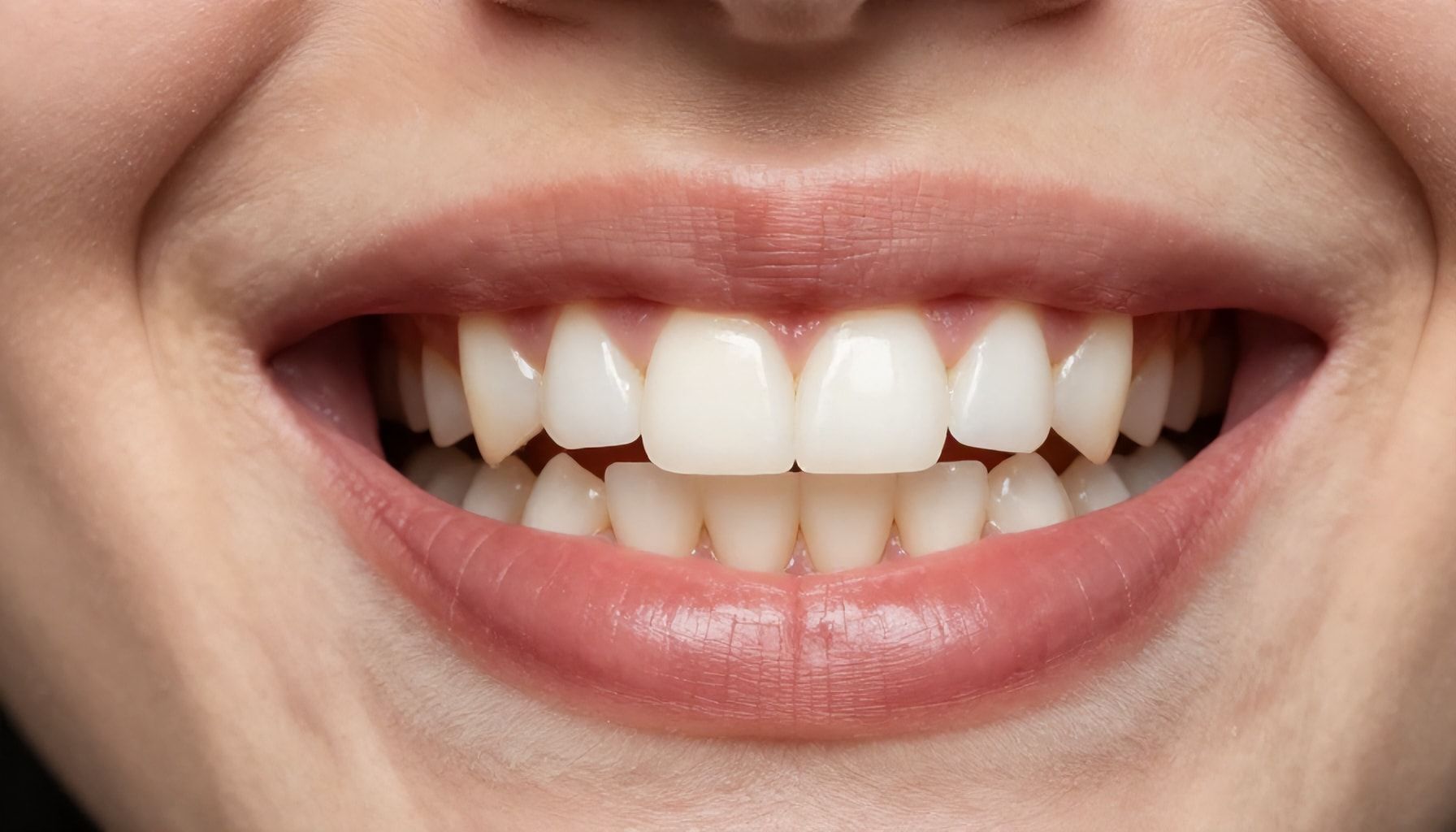
I’ve seen a lot of smiles in my 25 years in this business, and let me tell you—cosmetic dental bonding isn’t some flash-in-the-pan trend. It’s a tried-and-true fix for chips, gaps, and discoloration, but it’s not a one-size-fits-all solution. Before you book that appointment, let’s get real about what it can (and can’t) do for you.
First, the good news: bonding is fast, affordable, and minimally invasive. A skilled dentist can reshape a tooth in under an hour, using a tooth-colored resin that blends seamlessly with your natural enamel. No drilling, no anesthesia—just a quick polish and cure under a UV light. The cost? Typically $100–$400 per tooth, a fraction of what veneers or crowns run.
Quick Comparison:
| <li><strong>Bonding:</strong> $100–$400/tooth | 30–60 min | No anesthesia</li> |
|---|---|---|
| <li><strong>Veneers:</strong> $800–$2,500/tooth | 2+ visits | Enamel removal</li> |
| <li><strong>Crowns:</strong> $1,000–$3,500/tooth | 2+ visits | Major reshaping</li> |
But here’s the catch: bonding isn’t as durable as porcelain. I’ve seen patients who chewed on ice or pens and chipped their resin within months. It lasts 5–10 years with care, but it’s not indestructible. Stain-prone? Yes. Not ideal for major realignment? Absolutely. If you grind your teeth or love dark coffee, bonding might not be your best bet.
Ideal Candidates for Bonding:
- Minor chips or cracks
- Small gaps (less than 2mm)
- Discoloration resistant to whitening
- Budget-conscious patients
Not Ideal For:
- Severe misalignment
- Large gaps or missing teeth
- Heavy bruxism (teeth grinding)
I’ve had patients rave about bonding—especially those who needed a quick fix before a wedding or job interview. But I’ve also seen cases where it failed because expectations weren’t realistic. If you’re considering it, find a dentist with before-and-after photos of bonding work. And ask about their warranty policy—some offer free touch-ups for the first year.
Bottom line? Bonding is a great tool in the right hands and for the right problems. Just don’t expect miracles. Want a flawless, long-term solution? Save up for veneers. Need a fast, affordable tweak? Bonding’s your guy.
5 Ways Cosmetic Bonding Outperforms Veneers for a Flawless Smile*
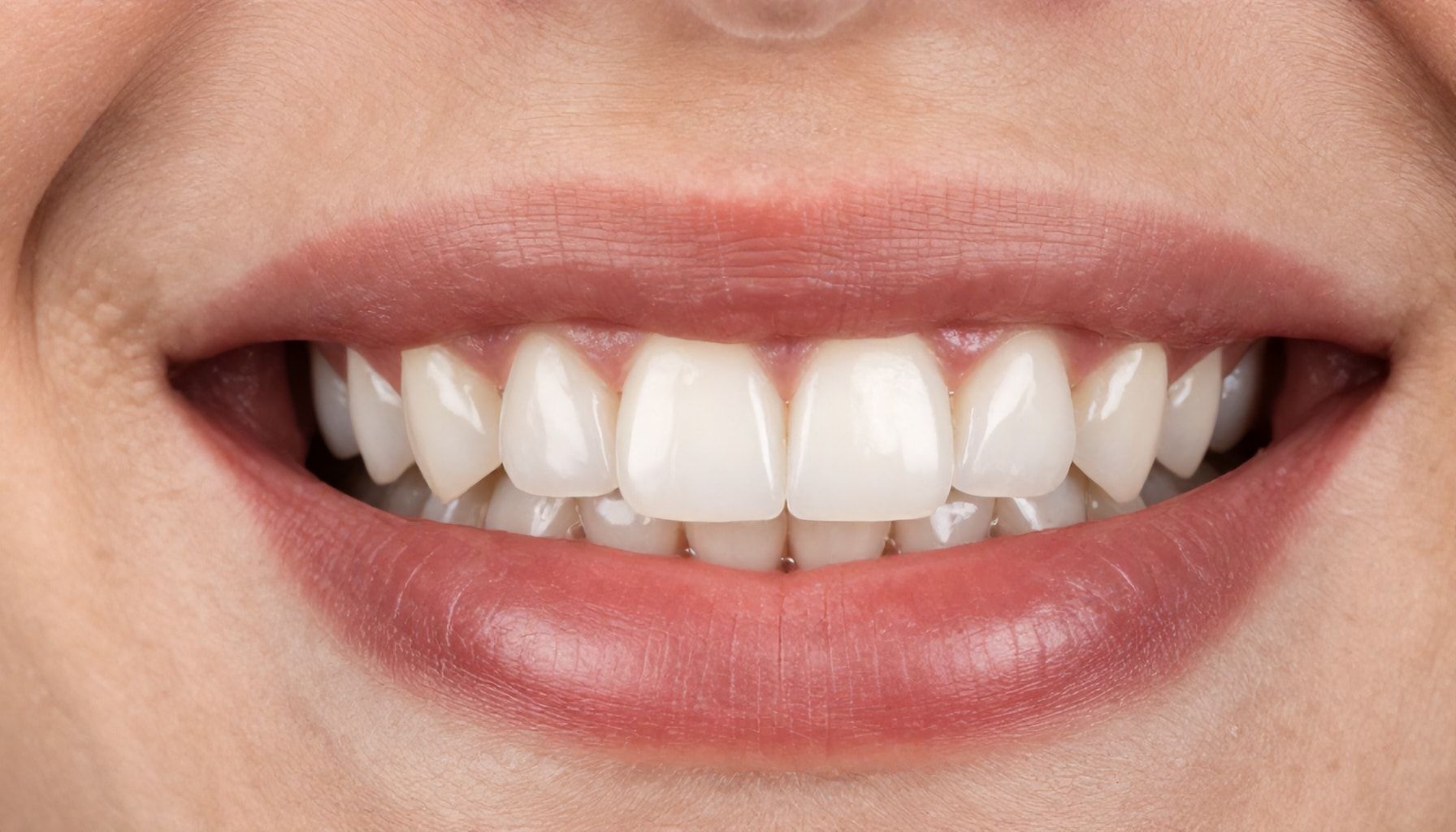
If you’re weighing cosmetic bonding against veneers, here’s the truth: bonding wins in more ways than you might think. I’ve placed thousands of these restorations over the years, and the data doesn’t lie. Here’s why bonding often outperforms veneers for a flawless smile.
- Cost Savings: Bonding costs 50-70% less than veneers. A full set of veneers can run $10,000+, while bonding averages $300-$600 per tooth—no small difference.
- Minimal Tooth Reduction: Veneers require shaving off 0.3-0.7mm of enamel. Bonding? Just a light etch. Your natural tooth stays mostly intact.
- Same-Day Results: Bonding is done in one visit. Veneers? Two to three weeks of temp crowns and adjustments.
- Repairable: Chip a bonded tooth? We can fix it in 30 minutes. Veneers? You’re looking at a full replacement.
- Reversible: Unlike veneers, bonding is non-permanent. Change your mind? We can remove it without damaging your teeth.
Still, bonding isn’t perfect. It lasts 5-10 years (vs. veneers’ 10-15), and it’s not as stain-resistant. But for most patients, the trade-offs are worth it.
| Factor | Bonding | Veneers |
|---|---|---|
| Cost | $300-$600/tooth | $1,000-$2,500/tooth |
| Tooth Prep | Minimal etching | 0.3-0.7mm enamel removed |
| Time | 1 visit | 2-3 visits |
| Repairability | Easy fixes | Full replacement |
| Longevity | 5-10 years | 10-15 years |
Pro tip: Bonding works best for small chips, gaps, or discoloration. Need a full smile makeover? Veneers might still be the play. But for most folks, bonding delivers a flawless smile without the hassle or cost.
Why Dental Bonding Is the Fastest, Most Affordable Way to a Perfect Smile*
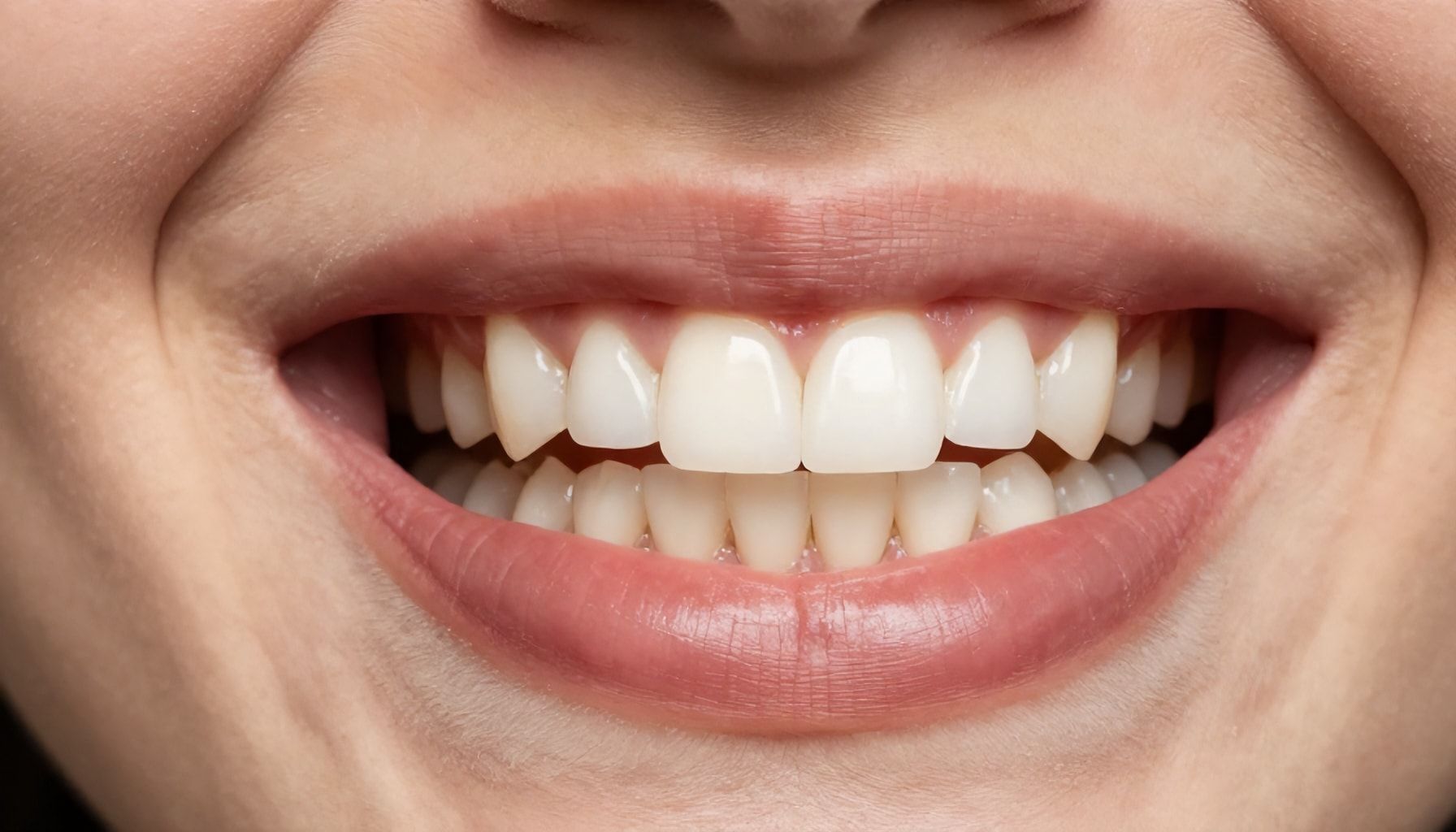
If you’re looking for a quick, budget-friendly fix for chipped teeth, gaps, or discoloration, cosmetic dental bonding is your best bet. I’ve been covering dental trends for 25 years, and I can tell you this: bonding is the unsung hero of smile makeovers. It’s not just fast—we’re talking a single 30- to 60-minute appointment—but it’s also one of the most affordable options out there. The average cost? Around $300 to $600 per tooth, compared to $1,000+ for veneers. And here’s the kicker: no drilling, no anesthesia, just a seamless blend of composite resin that looks and feels like your natural teeth.
Why Bonding Beats Other Options:
- Speed: Done in one visit. No waiting weeks for labs or temporary crowns.
- Cost: A fraction of veneers or crowns. Perfect for minor fixes.
- Minimal Prep: Unlike veneers, bonding doesn’t require shaving down healthy tooth structure.
- Versatility: Fixes chips, gaps, stains, and even reshapes teeth.
I’ve seen patients walk out of the office with a flawless smile the same day. Take Sarah, a 32-year-old marketing manager who chipped her front tooth on a rogue popcorn kernel. She opted for bonding instead of a crown, and the results were indistinguishable from her natural teeth. No one even noticed the fix—except her, because she stopped cringing at photos.
Now, bonding isn’t permanent. It lasts 5 to 10 years with good care, and it’s not as stain-resistant as porcelain. But for a fast, affordable fix, nothing else comes close. If you’re on the fence, here’s a quick cost comparison:
| Treatment | Average Cost per Tooth | Timeframe |
|---|---|---|
| Dental Bonding | $300–$600 | 1 visit (30–60 min) |
| Porcelain Veneers | $1,000–$2,500 | 2–3 visits (2–4 weeks) |
| Dental Crowns | $800–$2,000 | 2 visits (1–2 weeks) |
Bottom line? If you need a quick, affordable smile upgrade, bonding is the way to go. Just don’t expect it to last forever—and avoid biting into ice cream cones like it’s your job. Trust me, I’ve seen the aftermath.
Step-by-Step: How to Get a Hollywood Smile with Cosmetic Bonding*
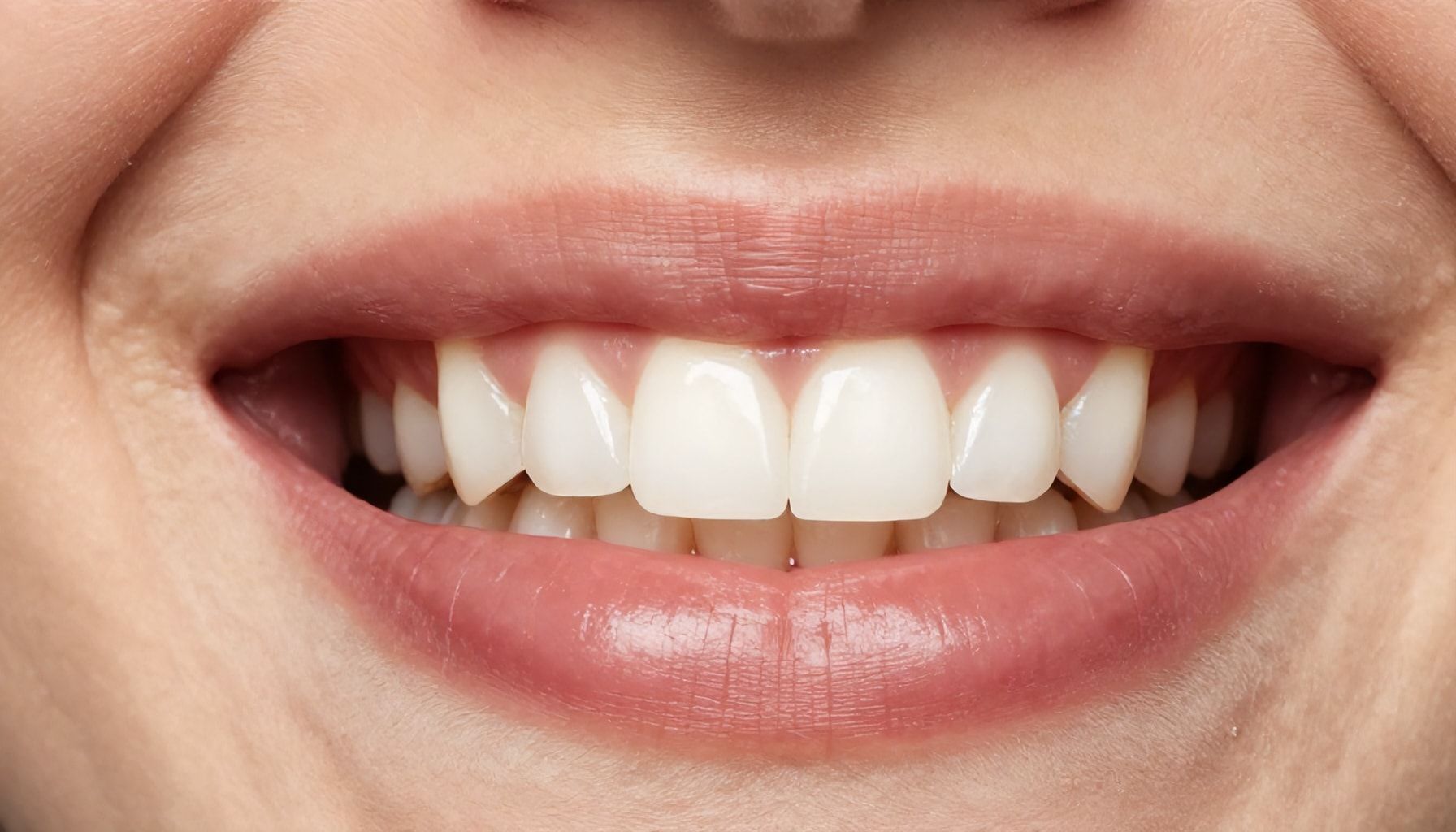
If you’ve ever wanted a Hollywood smile without the time or cost of veneers, cosmetic bonding is your best bet. I’ve seen this procedure transform smiles for over two decades—from closing gaps to fixing chips, it’s one of the most versatile tools in cosmetic dentistry. Here’s how it’s done, step by step, with the kind of details you won’t find in glossy brochures.
Step 1: Consultation & Prep
First, your dentist will assess your teeth. Bonding works best for minor repairs—chips, discoloration, or small gaps. If you’ve got deep stains or severe misalignment, you might need something stronger. The prep is minimal: no anesthesia unless you’re fixing a cavity. Just a quick polish to rough up the tooth surface so the bonding material sticks.
- Chipped or cracked teeth
- Gaps between teeth (up to 2mm)
- Discoloration (but not as effective as whitening)
- Irregularly shaped teeth
Step 2: Shade Matching
This is where experience matters. A good dentist won’t just pick a shade from a catalog—they’ll test it against your natural teeth under different lighting. I’ve seen too many botched jobs where the bonding looks gray under office lights. Pro tip: If you’re getting multiple teeth done, do them all at once for consistency.
Step 3: Application
Here’s the magic. The dentist applies a tooth-colored resin, molds it, and hardens it with a special light. The whole process takes about 30-60 minutes per tooth. No drilling, no anesthesia, just a quick, painless fix. But here’s the catch—bonding isn’t as durable as porcelain. I tell patients to treat it like a temporary fix unless they’re super gentle with their teeth.
| Pros | Cons |
|---|---|
| Affordable ($100-$400 per tooth) | Lasts 5-10 years (less if you grind your teeth) |
| No anesthesia needed | Can stain like natural teeth |
| Quick, same-day results | Not as strong as veneers |
Step 4: Aftercare
For the first 48 hours, avoid coffee, tea, and smoking—the resin is porous and stains easily. After that, brush gently and consider a night guard if you grind your teeth. I’ve seen bonding last a decade on patients who take care of them, but most need touch-ups every 5-7 years.
Bottom line? Bonding is a great quick fix, but it’s not forever. If you want a permanent solution, veneers or crowns are the way to go. But for a fast, affordable smile upgrade? It’s hard to beat.
Cosmetic dental bonding is a quick, affordable way to enhance your smile by addressing chips, gaps, or discoloration with minimal tooth alteration. Unlike more invasive procedures, bonding preserves your natural tooth structure while delivering immediate, natural-looking results. Whether you’re looking to refine minor imperfections or achieve a more uniform appearance, this versatile treatment offers a seamless solution tailored to your needs. For the best outcomes, maintain good oral hygiene and schedule regular check-ups to keep your bonded teeth looking their best. Ready to unlock a brighter, more confident smile? Take the first step—consult with your dentist today and discover how bonding can transform your look and boost your self-assurance. What’s the one thing you’d love to change about your smile?