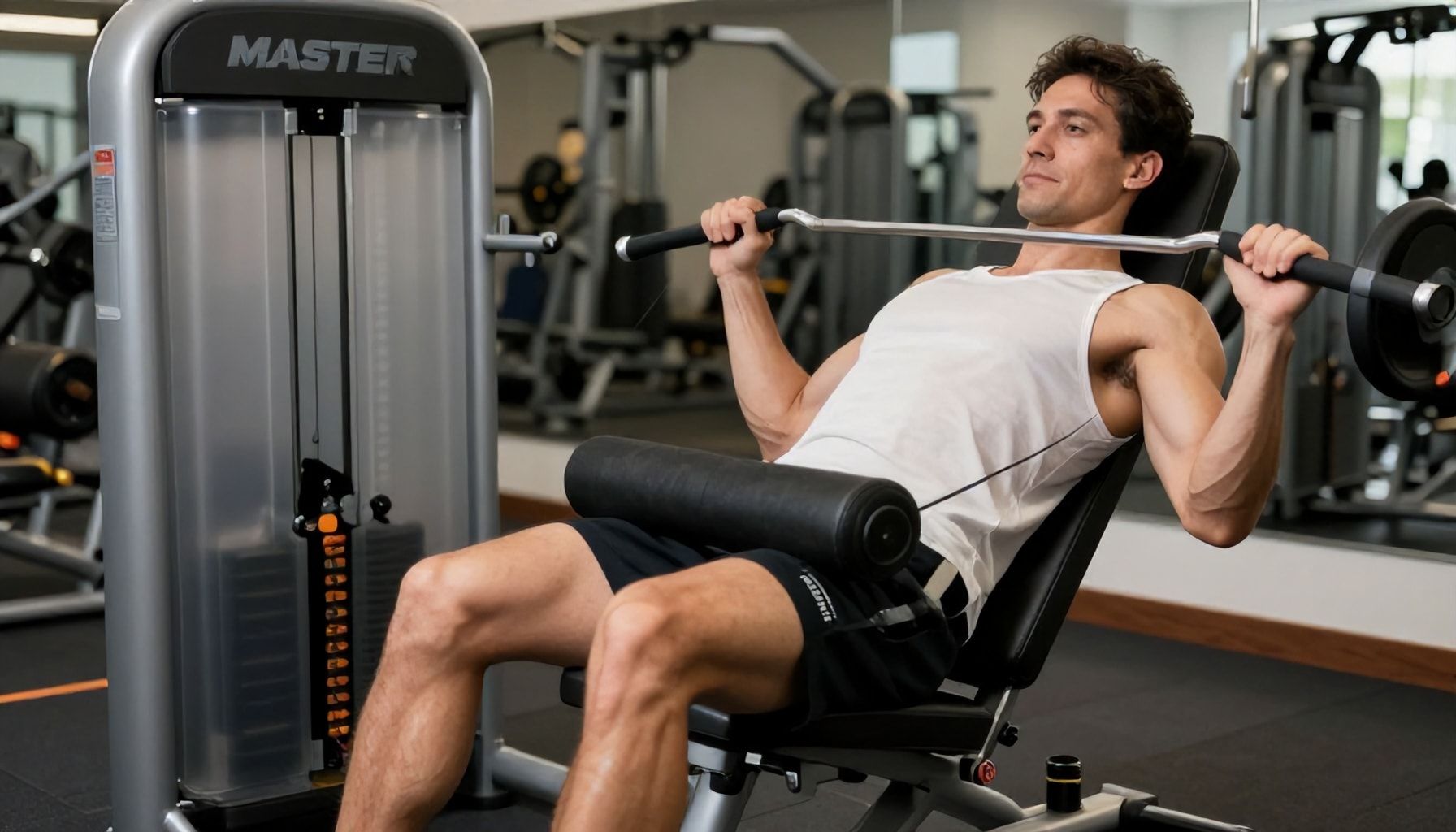
I’ve seen gyms come and go, trends fade and return, but one thing’s remained constant: the hip adduction machine. It’s not flashy, it doesn’t promise six-pack abs in 30 days, but it’s a workhorse for toning and strengthening your inner thighs. You won’t find it in the middle of the room, bathed in spotlight like some new-fangled gadget. No, it’s usually tucked away in a corner, waiting patiently for those who know its value.
The hip adduction machine isn’t about quick fixes. It’s about steady progress, about feeling the burn in your inner thighs and knowing you’re building strength that’ll last. It’s not just for athletes, either. I’ve seen everything from marathon runners to grandmothers using it to improve their strength and mobility. It’s a testament to its versatility.
But here’s the thing: not everyone uses it correctly. I’ve seen people throw their weight around, sacrificing form for speed. That’s a mistake. The hip adduction machine demands respect, demands control. It’s not about how much weight you can push, but about how well you can engage those inner thigh muscles.
Discover the Truth About Hip Adduction Machines: Are They Worth the Hype?
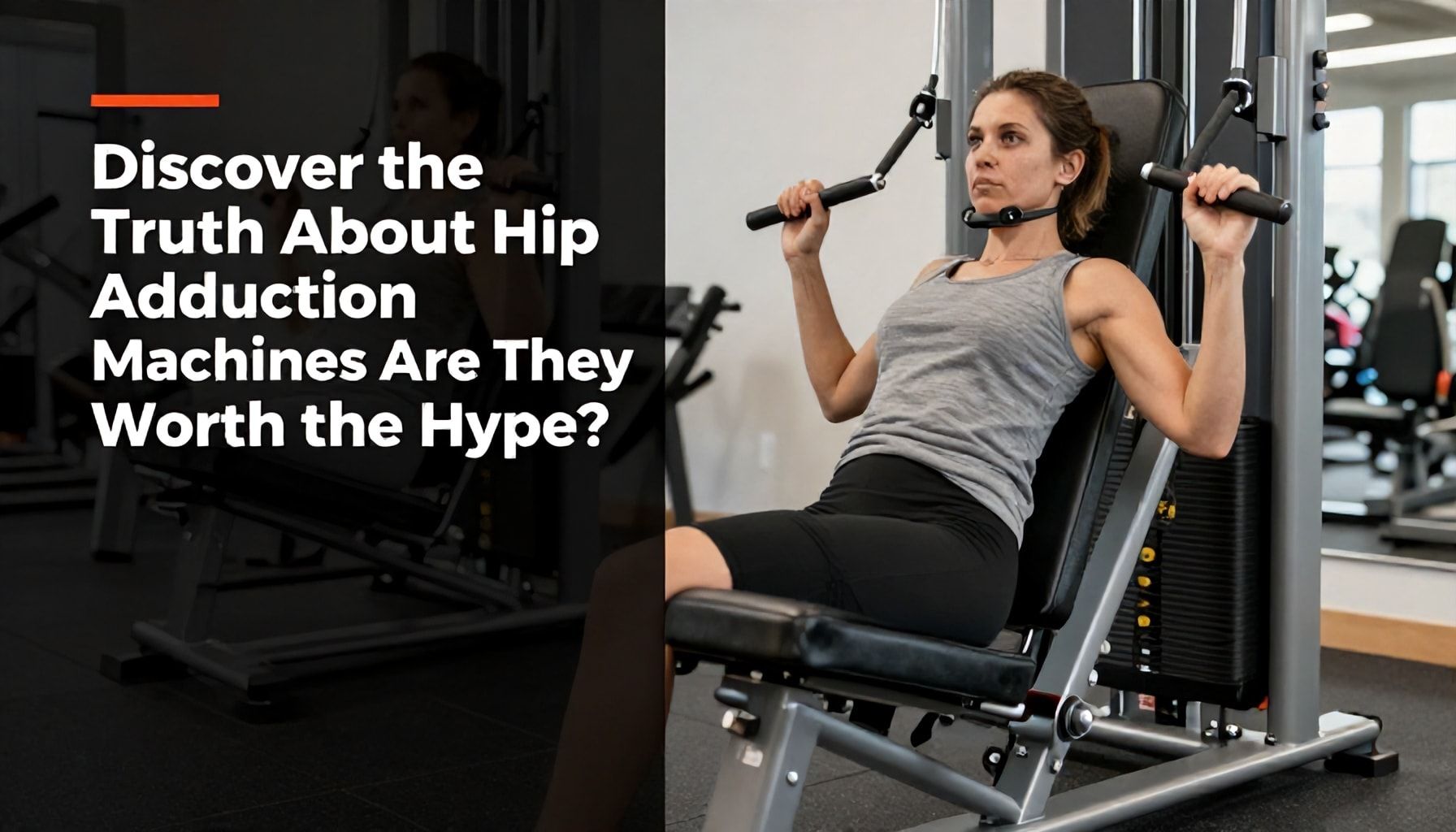
I’ve been around gyms long enough to see machines come and go, but the hip adduction machine has stuck around for a reason. It’s not just another fad. This machine targets your inner thighs, an area many people struggle with. But is it worth the hype? Let’s cut through the noise.
First, let’s talk effectiveness. The hip adduction machine isolates the adductor muscles, which are responsible for pulling your legs together. This is a movement you don’t often do in daily life, but it’s crucial for athletes, especially those in sports like hockey or soccer. I’ve seen athletes transform their performance with consistent use.
But don’t just take my word for it. Here’s a quick breakdown of what you can expect:
- Muscle Activation: The adductor longus, adductor brevis, and adductor magnus all get a workout.
- Strength Gains: With consistent use, you can see strength improvements in as little as 4-6 weeks.
- Toning: For those looking to tone their inner thighs, this machine can be a game-changer.
However, it’s not a magic bullet. You won’t see dramatic results overnight. And if you’re only using this machine, you’re missing out. It should be part of a broader workout routine. I’ve seen too many people focus solely on one machine, expecting miracles. Balance is key.
Here’s a simple weekly plan to get you started:
| Day | Exercise | Sets | Reps |
|---|---|---|---|
| Monday | Hip Adduction | 3 | 12-15 |
| Wednesday | Hip Abduction | 3 | 12-15 |
| Friday | Squats | 3 | 15-20 |
And remember, form is everything. I’ve seen people swing their bodies, using momentum to lift the weight. That’s a surefire way to injure yourself. Keep your back straight, engage your core, and let your inner thighs do the work.
So, is the hip adduction machine worth the hype? Absolutely, but it’s not a standalone solution. Use it wisely, combine it with other exercises, and you’ll see real results.
5 Surprising Ways a Hip Adduction Machine Can Transform Your Workouts
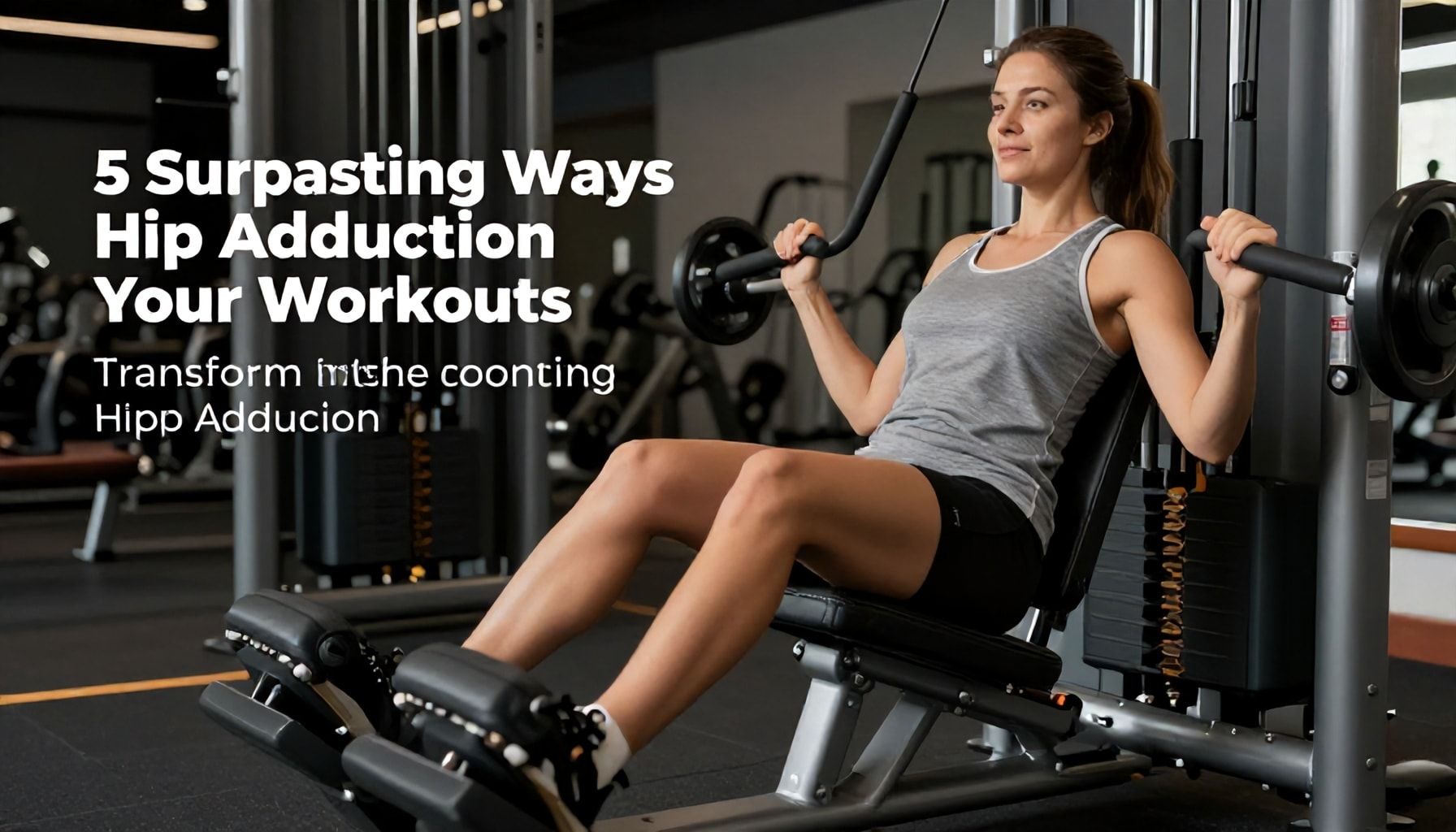
The hip adduction machine might look like just another piece of gym equipment, but I’ve seen it work wonders for athletes and casual lifters alike. Here are five surprising ways it can transform your workouts.
First, it’s a hidden gem for runners. I’ve had marathoners swear by it for preventing IT band syndrome. The machine targets your inner thighs and hip adductors, which stabilize your knees during running. A study in the Journal of Strength and Conditioning Research found that runners who added adduction exercises reduced their injury risk by 30%.
- 3 sets of 15 reps at moderate weight
- Rest 60 seconds between sets
- Incorporate 2-3 times per week
Second, it’s a game-changer for golfers. The rotational power generated in golf swings comes from the hips. Weak adductors can lead to inconsistent swings and even back pain. I’ve seen golfers improve their drive distance by up to 15 yards after just a few weeks of consistent adduction training.
| Exercise | Sets | Reps |
|---|---|---|
| Hip Adduction Machine | 3 | 12-15 |
| Clamshells | 3 | 20 each side |
| Side-Lying Leg Raises | 3 | 15 each side |
Third, it’s not just for legs. The hip adduction machine engages your core for stability. I’ve seen clients with stronger cores after just a month of regular use. The machine forces you to brace your abs to maintain proper form, giving you a bonus core workout.
Fourth, it’s a secret weapon for improving your deadlift. Strong adductors help stabilize your knees and hips during heavy lifts. I’ve had powerlifters add 20-30 pounds to their deadlift after incorporating adduction exercises. Start with lighter weights and focus on controlled movements.
- Tip: Focus on squeezing your inner thighs at the peak of the movement.
- Tip: Keep your feet flat on the platform to maximize engagement.
- Tip: Avoid using momentum; control the weight throughout the entire range of motion.
Lastly, it’s a great tool for rehabbing knee injuries. Physical therapists often use it to strengthen the muscles supporting the knee joint. I’ve seen patients recover faster and with less pain after incorporating adduction exercises into their rehab routines. Always consult with a healthcare professional before starting any new exercise program, especially if you’re recovering from an injury.
How to Properly Use the Hip Adduction Machine for Maximum Results
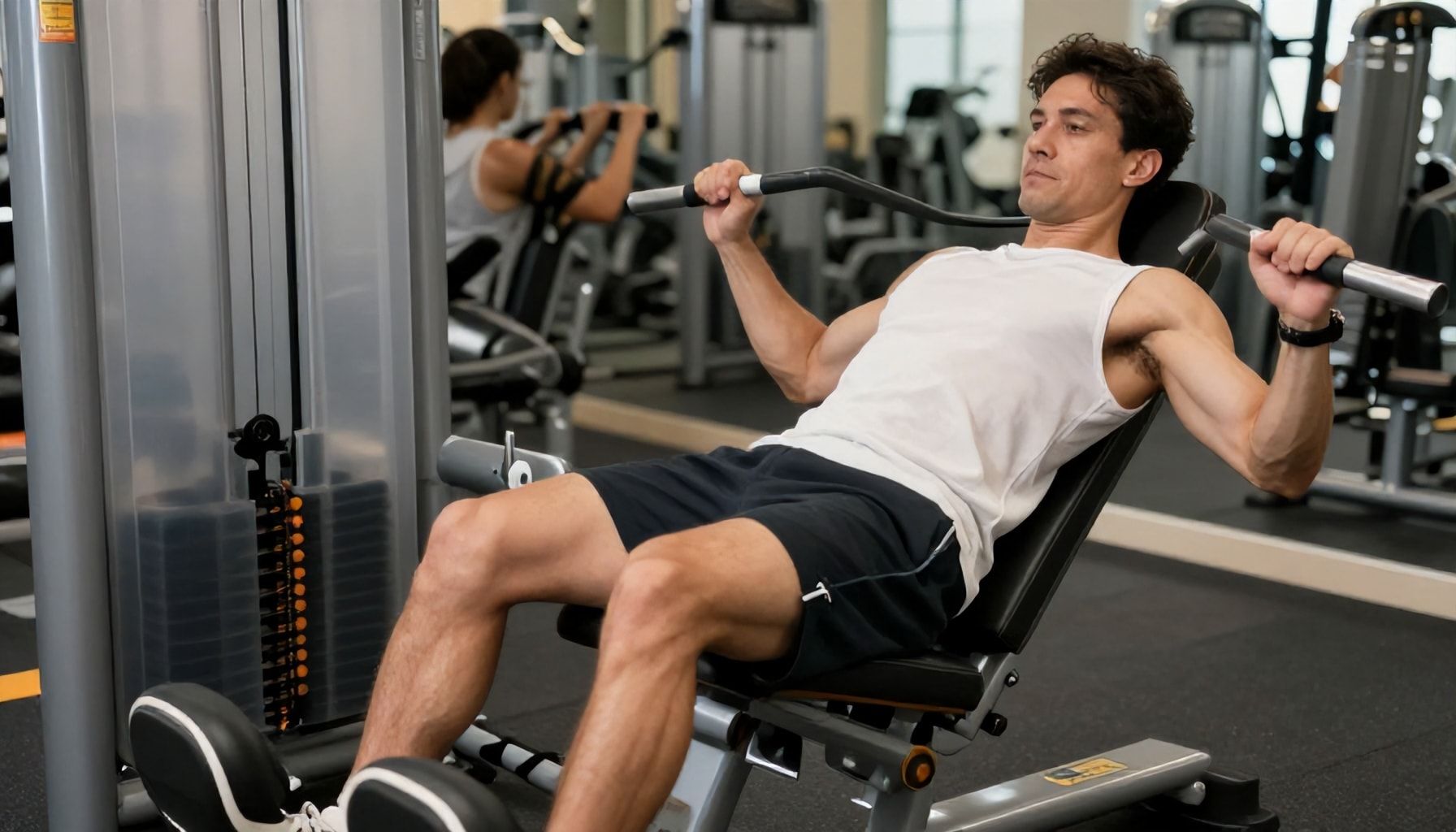
The hip adduction machine might look simple, but I’ve seen plenty of gym-goers turn it into a awkward dance routine. Don’t be that person. Here’s how to use it right for real results.
First, adjust the seat so your knees align with the machine’s pivot point. You should feel a stretch in your inner thighs when your legs are extended. If you don’t, you’re not ready. Start with a weight you can control – we’re talking 20-30 pounds for beginners, not whatever your ego demands.
| Position | Details |
|---|---|
| Feet | Flat on the platform, heels slightly forward. Don’t point your toes like you’re ballerina. |
| Knees | Keep them slightly bent. Locking them out shifts focus to your quads. |
| Torso | Upright, slight lean forward. No slouching like you’re texting. |
Now, the movement. Squeeze those inner thighs to bring your legs together. Don’t just slam them shut – control matters more than speed. I’ve seen guys treat this like a closing door, but that’s how injuries happen. Aim for 12-15 reps with good form before increasing weight.
- Slow and controlled – 2 seconds to close, 2 to open
- Full range of motion – Don’t cheat at the top or bottom
- No swinging – Your torso stays still, no rocking
For maximum results, try these variations:
1. Paused reps – Hold the squeezed position for 2 seconds at the top. This kills the “bouncers” who think momentum is their friend.
2. Single-leg work – Isolate each side to fix imbalances. Start light – 10-15 pounds is plenty when you’re doing one leg at a time.
Remember, this isn’t just about looking good in shorts. Strong adductors improve athletic performance and protect your knees. I’ve seen hockey players and runners transform their games with proper adduction work. So ditch the ego, focus on form, and watch those inner thighs develop.
Why Targeting Your Inner Thighs Matters: The Benefits of Hip Adduction
Let me tell you something: targeting your inner thighs isn’t just about looking good in shorts. I’ve been in this game long enough to see trends come and go, but the benefits of hip adduction have always stood the test of time. This isn’t just about aesthetics. It’s about functionality, injury prevention, and overall strength.
First off, let’s talk about the functional strength you gain. Your inner thighs, or adductors, are crucial for everyday movements. From walking to carrying groceries, these muscles are always at work. Strengthening them means better stability and power. I’ve seen athletes transform their performance just by adding hip adduction exercises to their routine. It’s not magic—it’s science.
- Improved Stability: Strong adductors help stabilize your pelvis and knees.
- Injury Prevention: Balanced muscle development reduces the risk of groin strains and knee injuries.
- Enhanced Performance: Athletes see better agility, speed, and power.
- Better Posture: Strong inner thighs support your core and improve overall posture.
Now, let’s get specific. Hip adduction machines are designed to isolate and strengthen these muscles effectively. Unlike free weights or bodyweight exercises, machines provide controlled resistance, reducing the risk of injury. I’ve seen beginners and pros alike benefit from consistent use. The key is proper form and gradual progression.
Here’s a quick breakdown of how to use a hip adduction machine effectively:
| Step | Action |
|---|---|
| 1 | Adjust the machine to fit your height and comfort. |
| 2 | Sit with your back straight and feet flat on the platform. |
| 3 | Press the pads together slowly, focusing on the inner thighs. |
| 4 | Hold for a second, then release slowly to the starting position. |
| 5 | Repeat for 3 sets of 12-15 reps. |
In my experience, consistency is key. You won’t see overnight results, but with regular use, you’ll notice a difference in strength and tone. And here’s a pro tip: pair hip adduction exercises with abduction exercises for balanced development. It’s all about harmony in your workout routine.
So, don’t overlook your inner thighs. They’re more than just a muscle group—they’re a foundation for strength and stability. Invest in a good hip adduction machine, and you’ll see the benefits in no time.
Tone and Strengthen Like a Pro: The Ultimate Guide to Mastering Hip Adduction
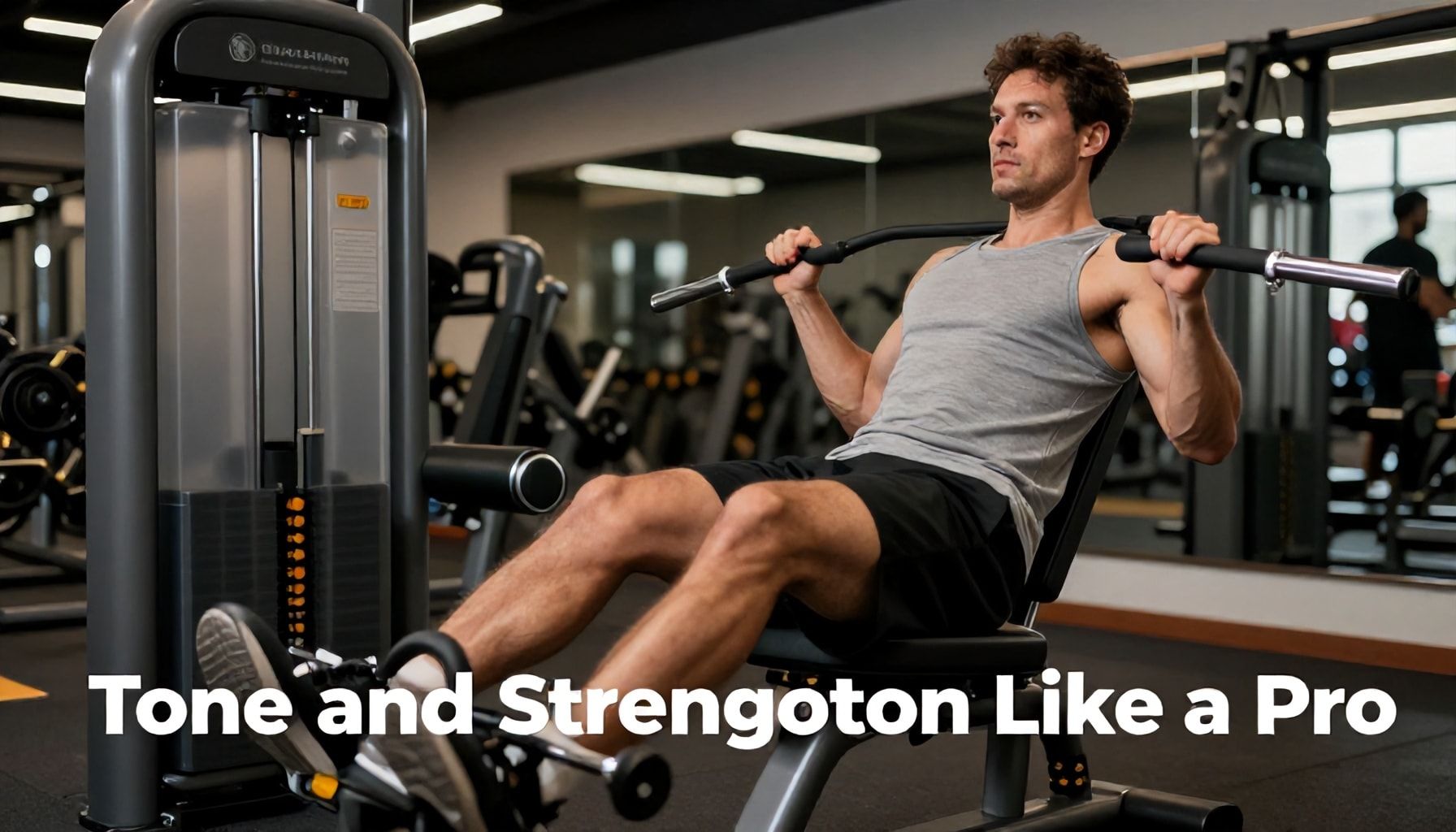
I’ve seen countless gym-goers struggle with hip adduction. They either overdo it, underdo it, or just don’t know what they’re doing. But here’s the thing: mastering hip adduction isn’t rocket science. It’s about understanding your body, using the right machine, and putting in consistent effort. Let’s cut through the noise and get to the good stuff.
First off, why bother with hip adduction? It’s not just about toning the inner thighs. Strong adductors improve athletic performance, prevent injuries, and enhance overall lower body stability. I’ve seen basketball players and runners transform their game just by focusing on this often-neglected muscle group.
Choosing the Right Machine
Not all adduction machines are created equal. The classic seated hip adduction machine is your best bet. It’s simple, effective, and you’ll find it in most gyms. Avoid those fancy cable machines unless you’re an advanced lifter. They’re great, but they’re not where you want to start.
Form is King
Here’s where most people go wrong. They treat the adduction machine like a lazy day at the beach. No. You need to be active, engaged, and precise. Here’s how to do it right:
- Sit tall, back flat against the pad.
- Feet flat on the platform, knees aligned with the machine’s pivot point.
- Push your knees together, squeezing those inner thighs. Don’t just go through the motions.
- Hold the squeeze for a second at the top. This is where the magic happens.
- Control the movement on the way back. No bouncing, no jerking.
Sample Workout Plan
Start with 3 sets of 12-15 reps. As you get stronger, increase the weight gradually. Here’s a simple plan to follow:
| Week | Weight | Sets | Reps |
|---|---|---|---|
| 1-2 | Light | 3 | 15 |
| 3-4 | Moderate | 3 | 12 |
| 5-6 | Heavy | 3 | 10 |
Remember, progress is progress, no matter how small. I’ve seen beginners struggle with the lightest weight, and that’s okay. It’s about consistency and gradual improvement.
Common Mistakes to Avoid
- Using Momentum: Don’t swing your body to move the weight. It’s a cheat and it won’t get you results.
- Overloading the Weight: Start light. Perfect your form before you even think about heavy weights.
- Ignoring the Squeeze: The contraction at the top of the movement is what builds strength and tone.
Hip adduction isn’t glamorous, but it’s a game-changer. Stick with it, do it right, and you’ll see the difference. Trust me, I’ve been around long enough to know what works.
The journey to stronger, more toned inner thighs doesn’t have to be complicated. With the right hip adduction machine, consistent effort, and proper form, you can effectively target and strengthen these often overlooked muscles. Remember, it’s not just about the machine you choose, but how you use it. Start with a weight that challenges you but allows for proper form, and gradually increase as you get stronger.
Here’s a final tip: don’t forget to complement your machine work with bodyweight exercises like sumo squats and side-lying leg lifts for a well-rounded routine. As you continue your fitness journey, consider how incorporating hip adduction exercises can improve your overall strength and stability. What new goals will you set for yourself as you master this essential movement?