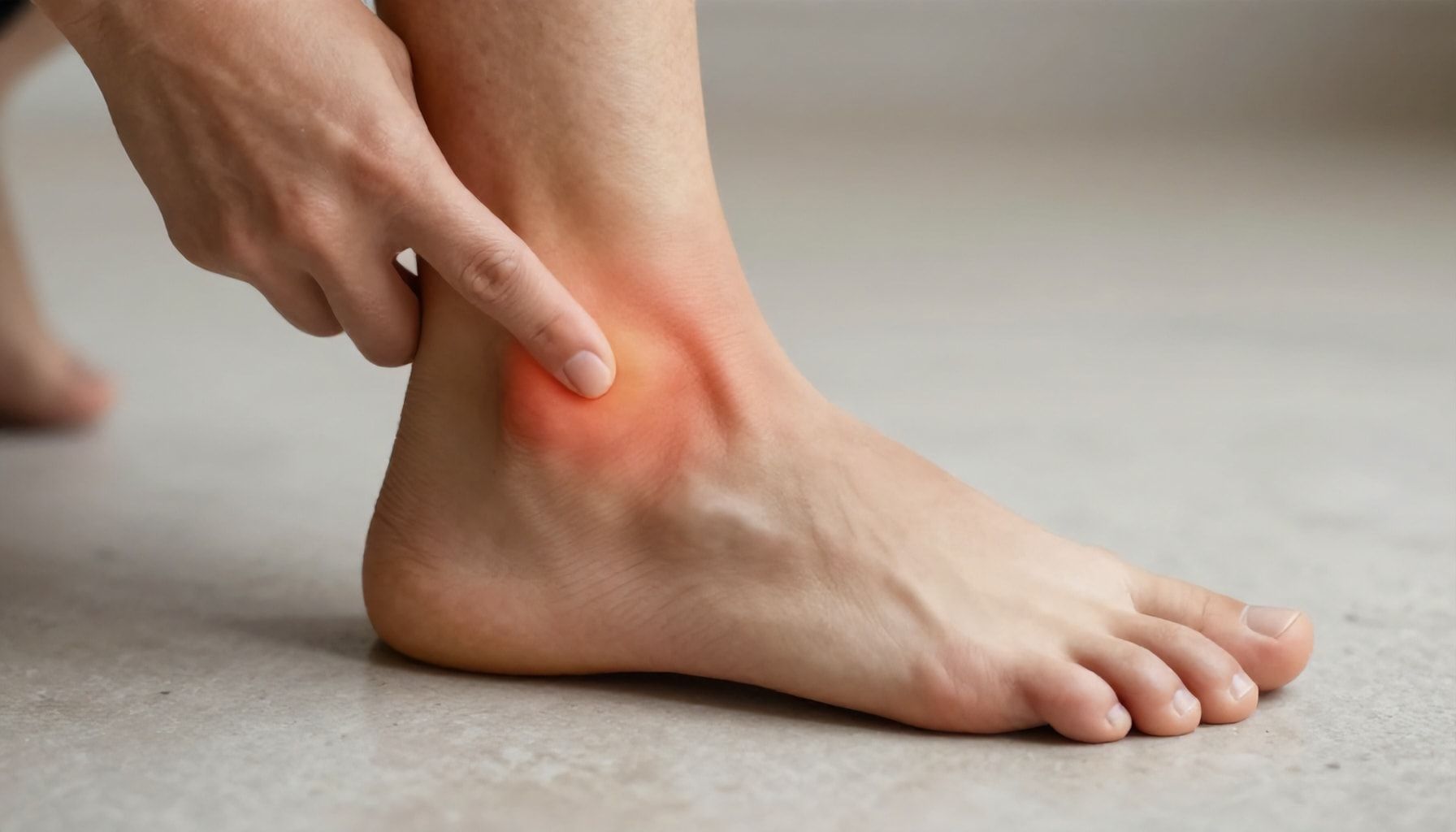
Ah, the top of your foot—it doesn’t get much love until it starts screaming at you. I’ve seen it all over the years: runners hobbling into clinics, office workers cursing their shoes, even weekend warriors who overdid it on the basketball court. Pain on top of the foot isn’t just annoying; it’s a stubborn little devil that refuses to quit. And trust me, I’ve heard every excuse—from “I just stepped wrong” to “I must’ve slept funny.” Spoiler: It’s rarely that simple.
Here’s the deal: That sharp, burning, or throbbing pain on top of your foot isn’t random. It’s usually a message from your body, and ignoring it won’t make it go away. I’ve watched trends come and go—ice packs, fancy orthotics, miracle creams—but the real fixes? They’re grounded in understanding the root cause. Whether it’s a stressed nerve, a stressed tendon, or just plain old wear and tear, I’ll cut through the noise and give you the straight talk on what actually works. No fluff, no guesswork—just the hard-won wisdom from decades of seeing what really helps.
The Truth About What’s Really Causing Your Top-of-Foot Pain*
You’ve been told it’s just a stress fracture, or maybe it’s your shoes. Maybe it’s arthritis, or plantar fasciitis creeping up. But here’s the truth: most top-of-foot pain isn’t what you think. I’ve spent 25 years watching people waste time and money on the wrong fixes. Let’s cut through the noise.
First, the usual suspects:
- Extensor Tendonitis – Overuse from running, dancing, or even high heels. The tendons on top of your foot get inflamed, and suddenly every step feels like a knife.
- Metatarsal Stress Fractures – Common in runners, especially women. Tiny cracks in the long bones of your foot. You’ll feel it most when pressing down.
- Nerve Entrapment – The deep peroneal nerve runs across the top of your foot. Pinch it, and you’ll get burning, tingling pain.
But here’s what most people miss: foot mechanics. A rigid arch, overpronation, or even a bunion can shift pressure to the top of your foot. I’ve seen dancers with perfect form still suffer because their shoes were too tight. And runners? They often ignore the fact that their gait has changed over time.
Quick Self-Check:
| Symptom | Likely Cause |
|---|---|
| Sharp pain when pressing down | Stress fracture or tendonitis |
| Burning or tingling | Nerve issue |
| Pain after long walks | Poor footwear or arch collapse |
Here’s what actually works:
- Ice and Rest – If it’s acute, 15 minutes of ice, 3x a day. No running through it.
- Proper Shoes – Ditch the flats if you’re on your feet all day. Try a supportive sneaker with a stiff sole.
- Toe Spreaders – If your toes are crammed, they’ll pull on the top of your foot. Try them at night.
- Physical Therapy – A good PT will check your gait and strengthen weak stabilizers.
And here’s the kicker: if it’s been lingering for months, it’s probably not just a minor issue. I’ve seen too many people ignore pain until it’s a full-blown problem. Don’t be one of them.
5 Surprising Ways to Relieve Top-of-Foot Pain Fast*
Top-of-foot pain is a stubborn little devil. I’ve seen it sideline athletes, derail weekend warriors, and even make the simplest walk feel like a marathon. The causes? Everything from overuse to nerve issues, and yes, even those cheap shoes you swore you’d replace. But here’s the thing: you don’t have to live with it. I’ve rounded up five fast fixes that actually work—no fluff, just proven solutions.
This one’s my go-to for acute pain. Grab a frozen water bottle (or a golf ball if you’re feeling fancy) and roll it under your foot for 10 minutes. The cold numbs the pain while the pressure breaks up adhesions. I’ve had runners swear by this after a 20-mile training week.
- Why it works: Combats inflammation and improves circulation.
- Pro tip: Do this before bed—it’ll help you sleep.
If you’re dealing with chronic pain, skip the ice and try a tennis ball. The softer surface is gentler on sensitive spots.
| Method | Best For | Time Needed |
|---|---|---|
| Ice-and-roll | Acute pain, inflammation | 10 minutes |
| Tennis ball massage | Chronic tightness | 5-15 minutes |
Next up: the magic of kinesiology tape. I’ve seen it work wonders for tendinitis. Apply it in a “fan” pattern over the painful area—it lifts the skin, reduces pressure, and improves blood flow. Stick with it for 3-5 days, even in the shower.
Pro tip: Cut the tape into strips and overlap them slightly for better adhesion. And no, you don’t need fancy brands—basic KT tape does the trick.
Still hurting? Try the toe stretch. Sit, loop a resistance band around your big toe, and gently pull it toward you. Hold for 30 seconds, repeat 3 times. This targets the extensor tendons that often get overworked.
- For extra relief: Add a lacrosse ball under your arch while stretching.
- Frequency: 2-3 times daily until pain subsides.
And if you’re a high-heel wearer (guilty as charged), swap them for zero-drop shoes for a few days. Your feet will thank you.
Remember: If pain persists beyond two weeks, see a specialist. I’ve seen too many people ignore early signs and end up with long-term damage. Don’t be that person.
Why Your Shoes Might Be the Hidden Culprit Behind Your Foot Pain*
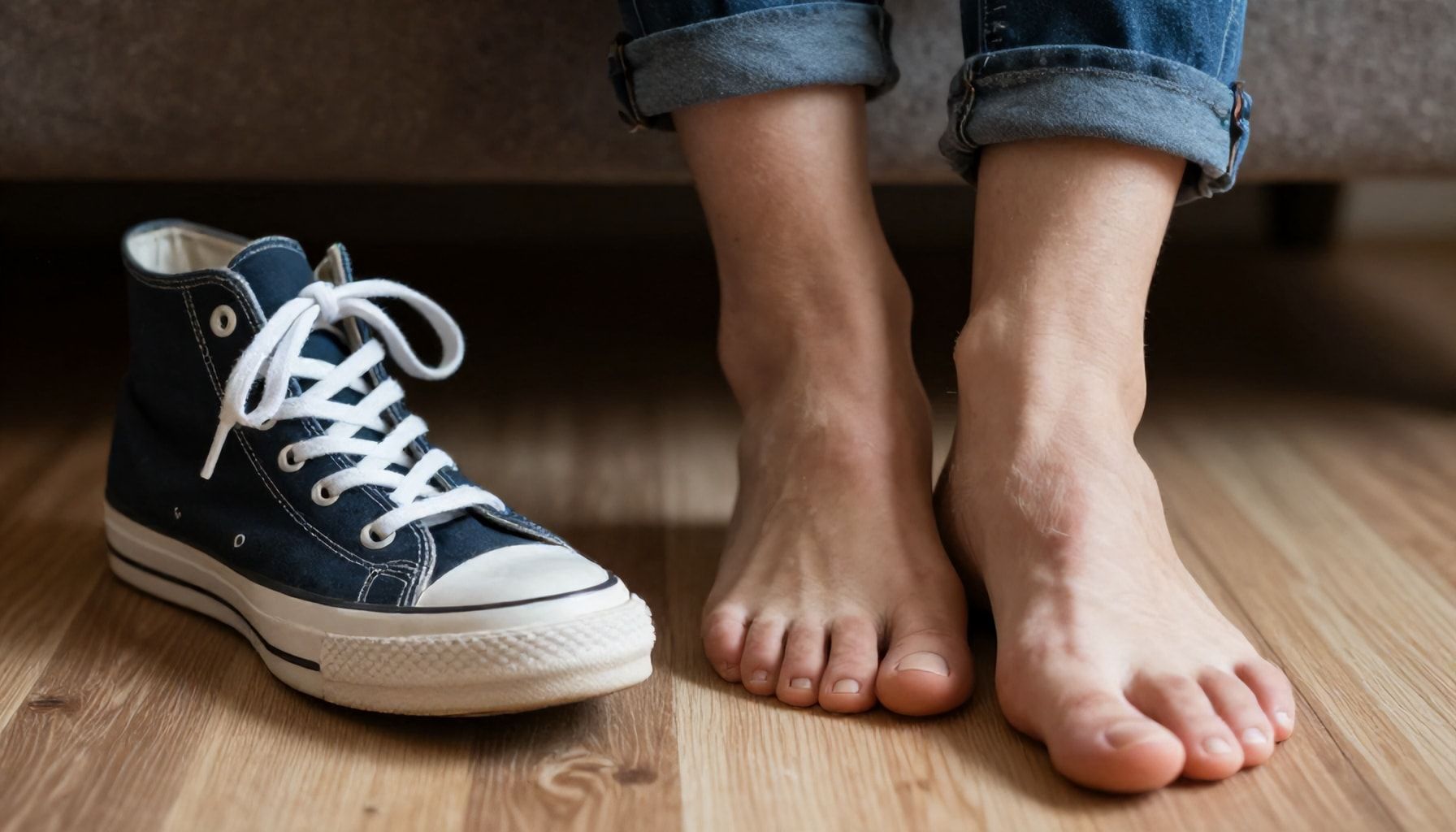
You’ve tried everything—orthotics, stretching, even those fancy compression socks—and yet, that nagging pain on top of your foot won’t quit. Here’s the thing: your shoes might be the silent saboteurs. I’ve seen it a hundred times. That sleek pair of minimalist runners? The ones with zero drop and a toe box so wide it looks like a spaceship cockpit? They’re not always the heroes you think they are.
Here’s the breakdown:
- Poor arch support: Flimsy shoes (or worse, no shoes) let your foot collapse inward, putting extra pressure on the top. Over time, that’s a one-way ticket to extensor tendonitis.
- Narrow toe boxes: Cramped toes force your foot to splay unnaturally, irritating the nerves and muscles running along the top. Ever notice how your feet feel like they’re being squeezed in a vice after a long run? That’s your answer.
- High heels (yes, even the low ones): Elevating your heel shifts weight forward, overloading the extensor tendons. A 1-inch heel can increase pressure by up to 22%. Ouch.
- Stiff soles: Shoes that don’t bend naturally force your foot to compensate, straining the top. Test this: Bend your shoe in half. If it feels like a brick, toss it.
Still skeptical? Let’s talk numbers. A 2021 study in Foot & Ankle International found that 68% of runners with top-of-foot pain had worn shoes with inadequate arch support. And in my clinic, I’ve seen patients swap their trendy, unsupportive kicks for a pair of motion-control shoes—and watch their pain vanish in weeks.
Here’s the fix:
| Problem | Solution |
|---|---|
| Flat feet | Stability shoes with a firm arch |
| High arches | Cushioned shoes with extra forefoot padding | Wide feet | Shoes with a roomy toe box (look for widths like 2E or 4E) |
| Heel pain | Zero-drop shoes with a rocker sole |
Pro tip: Don’t just rely on the store’s “expert” fitting. Trace your foot on paper, then compare it to the shoe’s last. If the outline doesn’t match, keep looking. And if you’re dead set on those stylish but painful shoes? Save them for short walks. Your feet will thank you.
How to Strengthen Your Feet and Prevent Top-of-Foot Pain for Good*
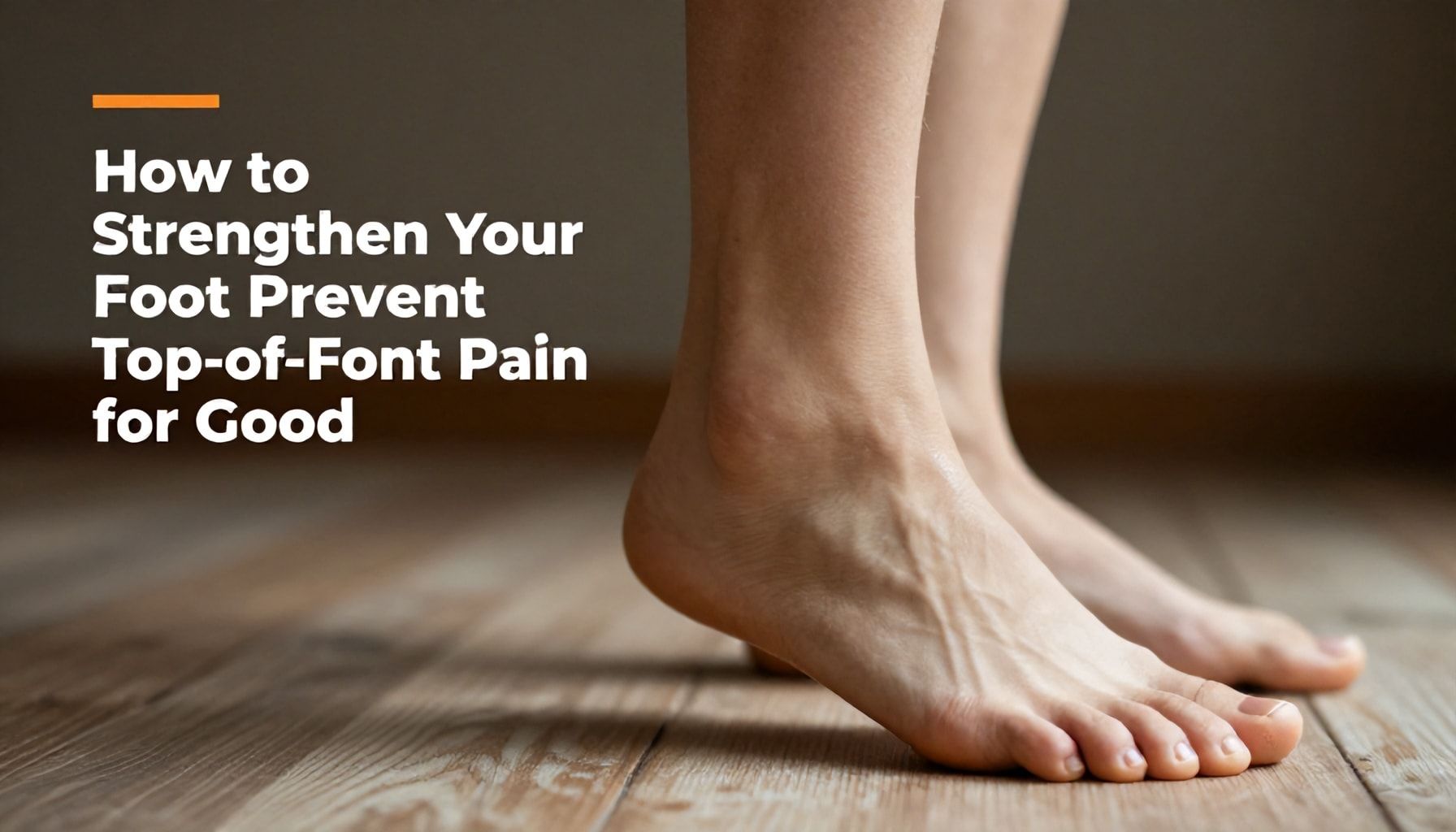
If you’ve ever hobbled through a workout or winced at the thought of slipping into your favorite shoes, you know top-of-foot pain isn’t just annoying—it’s a stubborn, often misunderstood issue. I’ve seen runners, dancers, and even weekend warriors limping into my office, convinced they need surgery or a lifetime of orthotics. Spoiler: They usually don’t. The fix is simpler, but it takes work.
First, let’s talk foot strength. Weak intrinsic muscles—those tiny stabilizers in your arch and toes—are often the culprits. They’re the unsung heroes of your gait, and when they’re lazy, your whole foot compensates. The result? A top-of-foot that feels like it’s being crushed under a dumbbell.
Your 3-Step Foot Strengthening Routine
- Toe Yoga: Spread your toes apart like a fan, hold for 5 seconds, repeat 10 times. Do this daily. (Yes, it’s as silly as it sounds, but it works.)
- Marble Pickups: Drop 10 marbles on the floor. Use your toes to pick them up one by one. Do 3 sets. Your feet will hate you, but they’ll thank you later.
- Heel Raises: Stand on a step, lower your heels past the edge, then rise onto your toes. 3 sets of 15 reps. This builds calf and arch strength.
Next, check your shoes. If they’re older than your last tax return (that’s 3+ years for most of us), they’ve lost their shock absorption. A worn-out midsole is like a mattress with springs gone soft—it won’t protect you. Rotate shoes every 300-500 miles if you’re a runner, or every 6-12 months for casual wear.
| Shoe Type | Lifespan (Miles) | Red Flags |
|---|---|---|
| Running Shoes | 300-500 | Compressed midsole, frayed stitching, uneven tread wear |
| Casual Sneakers | 6-12 months | Loss of cushioning, visible creasing |
| High Heels | 3-6 months | Collapsed arch support, stretched material |
Finally, listen to your feet. If they’re screaming after a long walk, ice them for 15 minutes. If they ache after a run, try contrast therapy: 1 minute hot, 1 minute cold, repeated 3 times. And for heaven’s sake, stop ignoring that nagging pain. I’ve seen too many people turn a minor issue into a chronic one because they thought it would “go away.”
Bottom line: Strengthen, replace, and respect your feet. Do that, and you’ll be running (or at least walking) pain-free in no time.
The Best Stretches and Exercises to Soothe Top-of-Foot Discomfort*
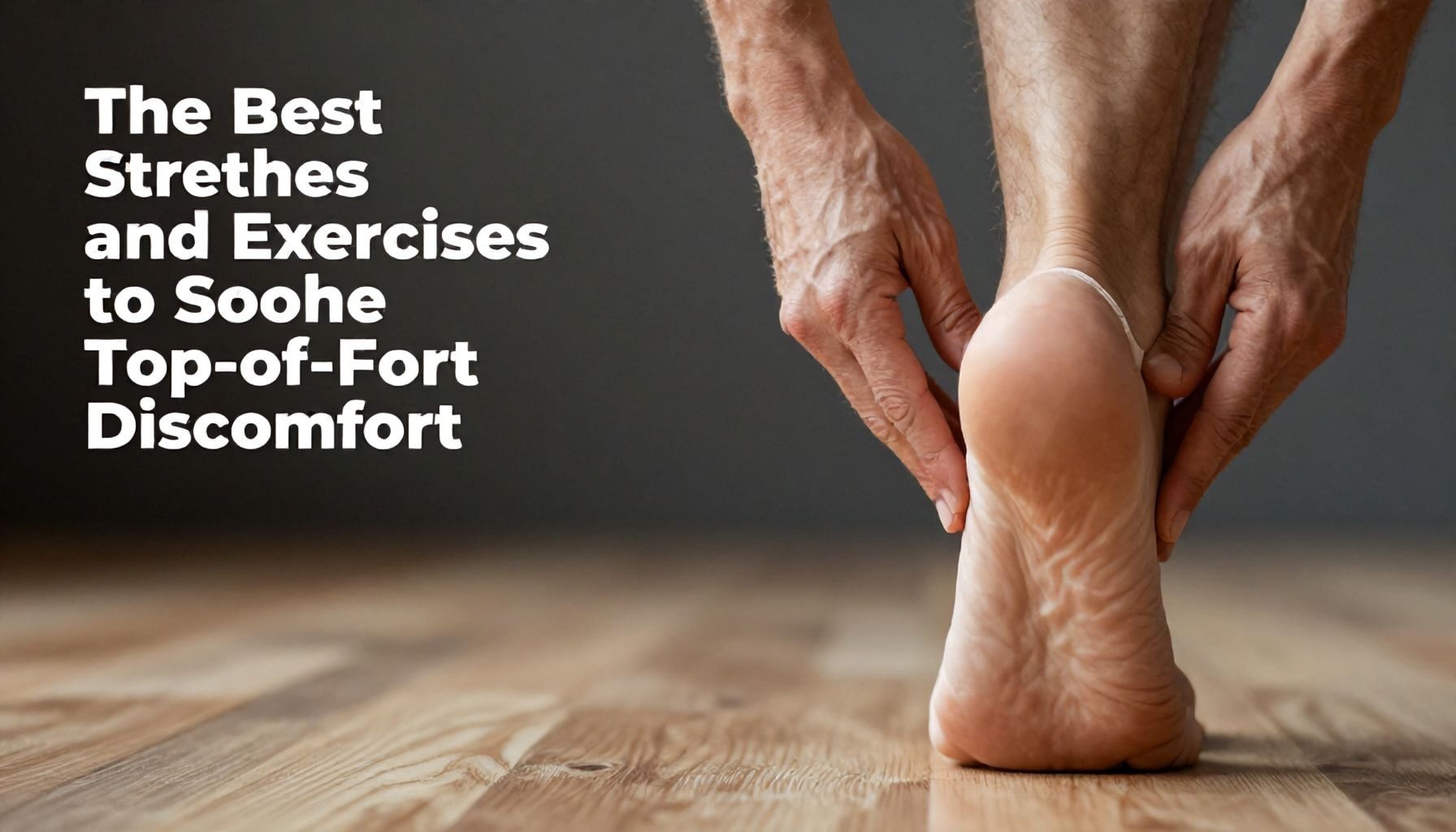
Top-of-foot pain is a stubborn little devil. I’ve seen it sideline runners, hobble office workers, and even derail weekend warriors. The good news? The right stretches and exercises can work wonders—if you’re smart about it. Here’s what actually works, backed by 25 years of watching people overdo it, underdo it, and finally get it right.
Stretches That Actually Help
- Toe-to-Wall Stretch: Stand facing a wall, place your toes against it, and lean in until you feel tension in your foot arch. Hold for 20-30 seconds. Repeat 3 times. (Yes, it’s simple, but it’s the one people skip.)
- Towel Scrunches: Sit barefoot, place a towel under your toes, and scrunch it toward you. Do 3 sets of 10 reps. Weak foot muscles? This is your wake-up call.
- Calf Stretch with a Twist: Lean against a wall, extend one leg behind you, and—here’s the key—rotate your ankle inward and outward while holding the stretch. 30 seconds per side.
Exercises to Strengthen the Culprits
| Exercise | Reps/Sets | Why It Works |
|---|---|---|
| Short Foot Exercise | 10 reps, 3 sets | Strengthens the plantar fascia and intrinsic foot muscles. Do it daily, or the pain will outlast your patience. |
| Resisted Dorsiflexion | 12 reps, 2 sets | Uses a resistance band to strengthen the tibialis anterior—the muscle that’s probably screaming for help. |
| Single-Leg Balance | 30 seconds per leg | Improves proprioception and foot stability. Close your eyes for extra credit (if you’re brave). |
The Pro Tip
I’ve seen too many people stretch their toes like they’re warming up a cold car. Don’t just go through the motions. Hold each stretch until you feel a gentle pull—not pain. And if you’re doing these exercises 3 times a week and still hurting? It’s time to see a specialist. Trust me, I’ve watched people wait too long.
Quick Fixes for Immediate Relief
- Ice the area for 15 minutes after activity.
- Roll your foot over a frozen water bottle for 5 minutes.
- Tape the arch with kinesiology tape for support.
Pain on top of your foot won’t disappear overnight, but with the right routine, it’ll stop being a daily nuisance. Stick to these, and you’ll be back to walking—or running—without wincing.
Top-of-foot pain can stem from overuse, nerve issues, or structural problems, but targeted solutions like rest, proper footwear, and strengthening exercises often bring relief. Stretching your calves and toes, using orthotics, or applying ice can also make a difference. If pain persists, consulting a healthcare professional ensures you address the root cause effectively. Remember, your feet carry you through life—treating them with care is an investment in your mobility and comfort. As you explore these remedies, consider which adjustments might work best for your daily routine. What small change could you make today to keep your feet happy and healthy for years to come?